
Views: 0 Author: Site Editor Publish Time: 2025-05-26 Origin: Site


Furniture represents a significant investment in any home or office space, with the average American household spending between $10,000 and $60,000 on furnishing their living spaces. Beyond the financial consideration, quality furniture pieces often become cherished parts of our daily lives, serving both functional and aesthetic purposes.
However, without proper maintenance, even the finest furniture can deteriorate prematurely, leading to unnecessary waste and expense. Hongye's Furniture, known for its exceptional craftsmanship and durability, has developed a comprehensive maintenance approach that can extend the lifespan of furniture by up to 50%. This article explores the five essential maintenance strategies, providing detailed guidance for preserving the beauty and functionality of your furniture investments for years to come.
Before diving into maintenance strategies, it's crucial to understand what causes furniture to deteriorate over time. Furniture faces numerous environmental and usage challenges that can significantly impact its longevity. Direct sunlight exposure can fade upholstery and damage wood finishes, causing discoloration and structural weakening. Fluctuating humidity levels cause wood to expand and contract, potentially leading to warping, cracking, or joint loosening. Daily wear and tear from regular use puts stress on structural components, while dust and dirt act as abrasives that gradually wear down finishes and fabrics.
Environmental control plays a pivotal role in furniture preservation. Maintaining indoor humidity levels between 40-50% helps prevent wood from drying out or absorbing excessive moisture. Temperature stability is equally important, as extreme fluctuations can stress materials and adhesives. Positioning furniture away from heating vents, air conditioners, and direct sunlight helps minimize these environmental stressors.
The quality of the original furniture also determines its potential lifespan. Hongye's Furniture pieces are constructed using traditional joinery techniques and premium materials, providing a solid foundation for longevity. However, even the finest furniture requires proper care to reach its full potential lifespan.
Degradation Factor | Impact on Furniture | Prevention Strategy |
Direct Sunlight | Fading, drying, cracking of wood and fabrics | UV-filtering window treatments, strategic placement away from windows |
Humidity Fluctuations | Warping, cracking, joint loosening | Maintain 40-50% humidity, use humidifiers/dehumidifiers as needed |
Physical Wear | Structural weakening, fabric abrasion | Rotate cushions, use arm covers, distribute weight evenly |
Dust and Dirt | Surface scratching, finish degradation | Regular gentle cleaning with appropriate products |
Heat Sources | Drying, cracking, finish damage | Keep furniture at least 2 feet from radiators, fireplaces, and vents |
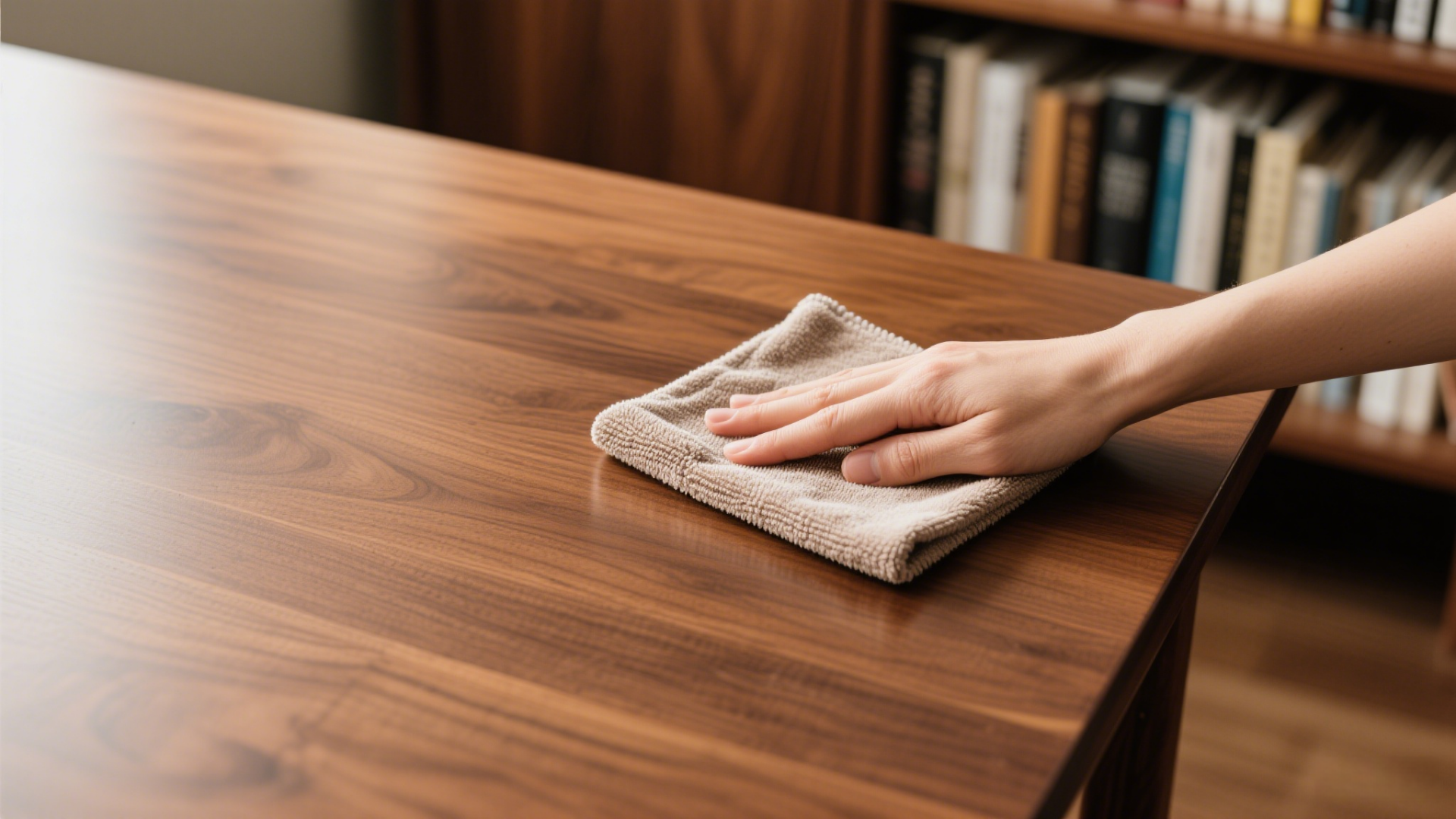
The cornerstone of Hongye's Furniture maintenance philosophy is regular, material-appropriate cleaning combined with preventive care. Different materials require specific cleaning approaches to maintain their integrity while removing harmful accumulations of dust and grime.
For wooden furniture, dust regularly using a soft, lint-free microfiber cloth, moving with the grain to avoid scratching the surface. Avoid feather dusters, which can scratch delicate finishes. For deeper cleaning, use a mild solution specifically formulated for the type of wood finish on your furniture. Harvard's experts recommend cleaning wood furniture thoroughly every 3-6 months, with regular dusting in between.
Upholstered pieces benefit from weekly vacuuming using a soft brush attachment to prevent dirt from becoming embedded in fibers. For fabric upholstery, promptly address spills by blotting (never rubbing) with a clean, dry cloth to absorb liquid. Follow up with appropriate fabric cleaners based on the specific upholstery material. Leather furniture requires special care-dust regularly and condition with quality leather products every 6-12 months to prevent drying and cracking.
Metal components should be cleaned with a soft cloth and mild soap solution, then thoroughly dried to prevent oxidation. For glass elements, use ammonia-free glass cleaners applied to a cloth rather than directly to the surface to prevent damage to surrounding materials.
Preventive measures significantly extend furniture life. Use coasters, placemats, and tablecloths to protect surfaces from moisture, heat, and scratches. Felt pads under decorative objects prevent scratching of wood surfaces. Furniture covers or throws can protect upholstery in high-traffic areas or homes with pets and children.
Furniture Material | Cleaning Frequency | Recommended Cleaning Method | Maintenance Products |
Solid Wood | Weekly dusting, Deep clean every 3-6 months | Microfiber cloth, Wood-specific cleaner | Wood polish or conditioner (every 6 months) |
Leather | Weekly dusting, Conditioning every 6-12 months | Soft cloth, Leather-specific cleaner | Leather conditioner, UV protectant |
Fabric Upholstery | Weekly vacuuming, Spot cleaning as needed | Vacuum with upholstery attachment, Fabric-specific cleaner | Fabric protectant spray (annually) |
Metal | Monthly cleaning | Soft cloth with mild soap solution | Metal polish appropriate for finish |
Glass | Bi-weekly cleaning | Ammonia-free glass cleaner on cloth | N/A |
Hongye's Furniture experts emphasize that where and how you position your furniture significantly impacts its longevity. Strategic placement within your living spaces can prevent unnecessary wear and extend furniture life by years.
Position wooden furniture away from direct sunlight, which can cause fading and drying. If windows cannot be avoided, use UV-filtering window treatments to minimize exposure. Maintain at least a two-foot distance between furniture and heat sources such as radiators, fireplaces, and heating vents, as excessive heat can dry out wood and damage finishes.
Consider traffic patterns when arranging furniture to minimize wear on specific areas. For example, position sofas and chairs to distribute foot traffic evenly around them rather than creating narrow pathways that concentrate wear. Rotate furniture periodically to ensure even exposure to environmental factors-this is particularly important for pieces near windows where sunlight exposure may be unavoidable.
Environmental control represents another crucial aspect of furniture preservation. Wood furniture is particularly sensitive to humidity fluctuations. In winter, when indoor heating systems can create excessively dry conditions, use a humidifier to maintain optimal humidity levels between 40-50%. Conversely, use dehumidifiers during humid summer months to prevent wood from absorbing excessive moisture. These measures prevent the expansion and contraction cycle that leads to joint loosening and structural damage.
Temperature stability also plays a vital role in furniture preservation. Avoid storing furniture in attics, basements, or garages where temperature and humidity fluctuate dramatically. If storage is necessary, choose climate-controlled environments and properly prepare pieces by cleaning thoroughly and covering with breathable materials like cotton sheets rather than plastic, which can trap moisture.
Room Type | Ideal Furniture Placement | Environmental Considerations | Rotation Schedule |
Living Room | Away from windows and high-traffic paths | Maintain 40-50% humidity, Use UV filters on windows | Rotate cushions weekly, Rearrange furniture quarterly |
Dining Room | Center of room, away from serving areas | Keep away from kitchen humidity, Use tablecloths for protection | Rotate chairs monthly, Move table seasonally if near windows |
Bedroom | Away from windows and heating vents | Use humidifier in winter, Ensure air circulation | Rotate mattress quarterly, Rearrange occasional furniture seasonally |
Home Office | Ergonomic positioning, Away from windows | Control temperature fluctuations, Use desk pads | Adjust chair settings monthly, Clean electronics weekly |
Outdoor Spaces | Under covered areas, Away from direct elements | Store during extreme weather, Use furniture covers | Rotate cushions weekly, Move positions monthly |
Even with excellent preventive care, furniture eventually shows signs of wear or damage. Hongye's Furniture maintenance philosophy includes timely professional intervention to address issues before they worsen. Understanding when and how to restore furniture can dramatically extend its useful life.
Early intervention is key to effective furniture restoration. Address loose joints, small scratches, or minor upholstery issues promptly before they develop into major structural problems. For wooden furniture, tighten loose screws and bolts regularly, and reglue loose joints as soon as they're noticed. Small scratches can be addressed with touch-up markers or fill sticks matched to your furniture's finish.

For more significant damage, professional restoration may be necessary. Harvard's Furniture recommends professional refinishing every 15-20 years for heavily used wooden pieces. This process involves stripping the old finish, repairing any structural damage, and applying new protective finishes. Professional upholstery services can breathe new life into well-constructed pieces with worn fabric.
Consider these real-world examples of successful furniture restoration:
1. A Hongye's dining table from the 1980s showed significant surface wear after decades of family meals. Rather than replacement, professional refinishing restored the original luster while preserving the table's structural integrity and character, extending its life by an estimated 25 years.
2. An executive office desk with water damage and loose joints was professionally restored by addressing the structural issues first, then refinishing the damaged areas to match the original patina, saving thousands compared to replacement costs.
3. A living room sofa with quality hardwood frame but worn upholstery was professionally reupholstered with performance fabric, modernizing its appearance while preserving the superior construction underneath.
4. Antique wooden chairs with loose joints and worn finishes were disassembled, reglued, and refinished by restoration specialists, returning them to daily use for another generation.
5. A bedroom dresser with damaged drawer slides and worn finish was professionally restored with new hardware and refinishing, extending its functional life by decades.
When selecting restoration professionals, look for specialists with experience in your specific furniture type. Request references and examples of similar projects, and ensure they use appropriate techniques for the age and style of your furniture. Quality restoration is an investment that typically costs 30-50% of replacement value while extending furniture life by many years.
Restoration Need | DIY or Professional | Expected Cost Range | Lifespan Extension |
Surface Scratches | DIY with touch-up kit | $15-50 for supplies | 2-5 years |
Loose Joints | DIY for minor issues, Professional for structural concerns | $50-200 professional repair | 5-10 years |
Refinishing | Professional for best results | $200-1000+ depending on size/complexity | 15-20 years |
Reupholstery | Professional | $500-2000+ depending on fabric and size | 10-15 years |
Structural Repair | Professional | $200-1000+ depending on damage | 10-20 years |
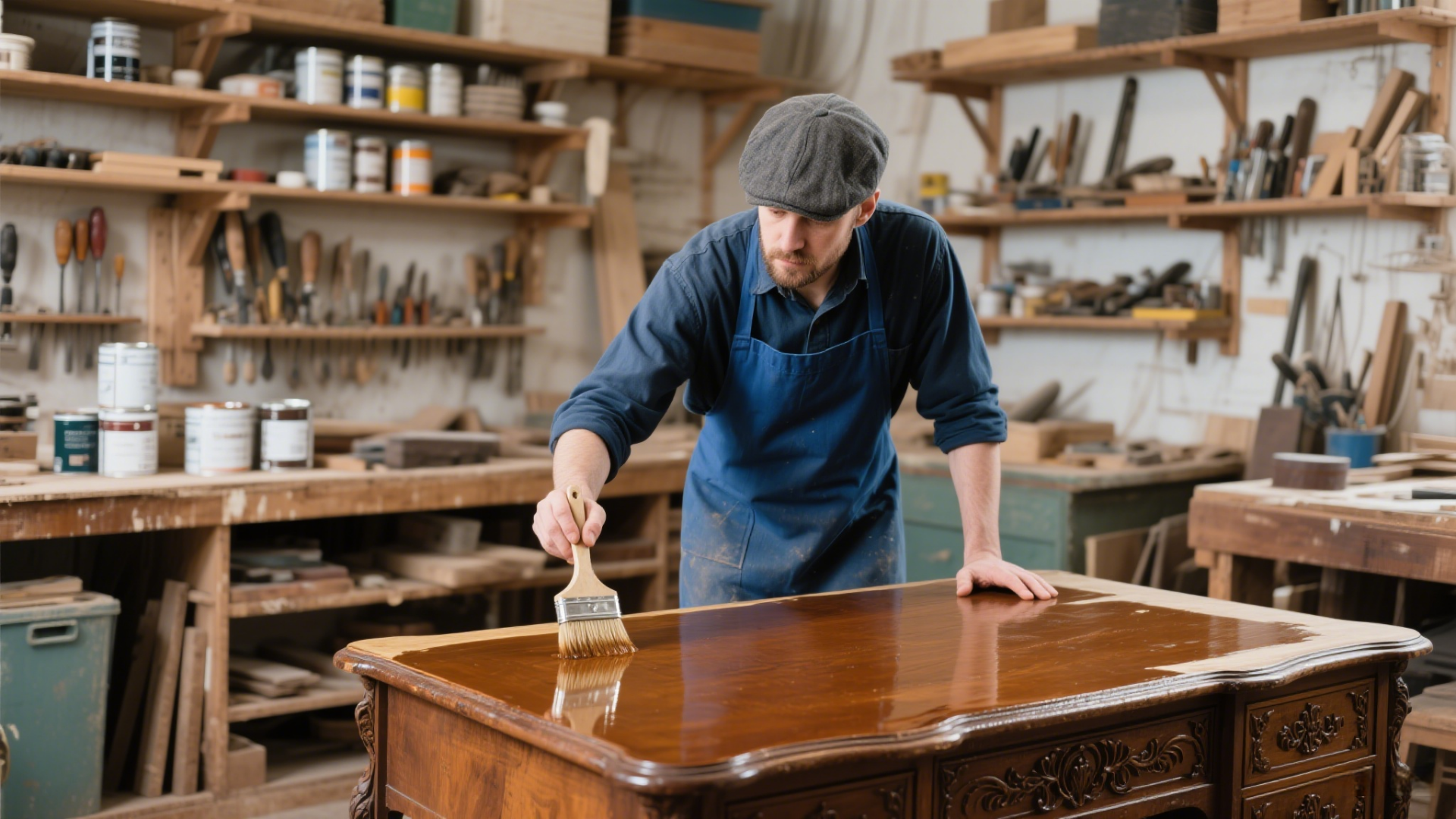
Hongye's Furniture maintenance approach recognizes that different materials require specific care regimens to maximize longevity. Understanding the unique properties and vulnerabilities of various furniture materials allows for targeted maintenance that addresses specific degradation factors.
For solid wood furniture, the primary concerns are moisture control and finish protection. Apply furniture polish or conditioner every 3-6 months, using products appropriate for your specific wood finish. Avoid silicone-based products that can build up over time and damage finishes. Instead, opt for high-quality carnauba or beeswax-based products that nourish the wood while providing protection. Address water rings promptly using techniques appropriate for your finish type-for example, rubbing with a mixture of equal parts white vinegar and olive oil for oil-based finishes.
Leather upholstery requires regular conditioning to prevent drying and cracking. Clean leather surfaces every 1-2 months with a slightly damp cloth, then apply a quality leather conditioner. For full-grain leather, use conditioners that maintain the natural oils without creating buildup. For protected or finished leathers, use products specifically formulated for these surfaces. Keep leather furniture away from direct heat sources and sunlight, which accelerate drying.
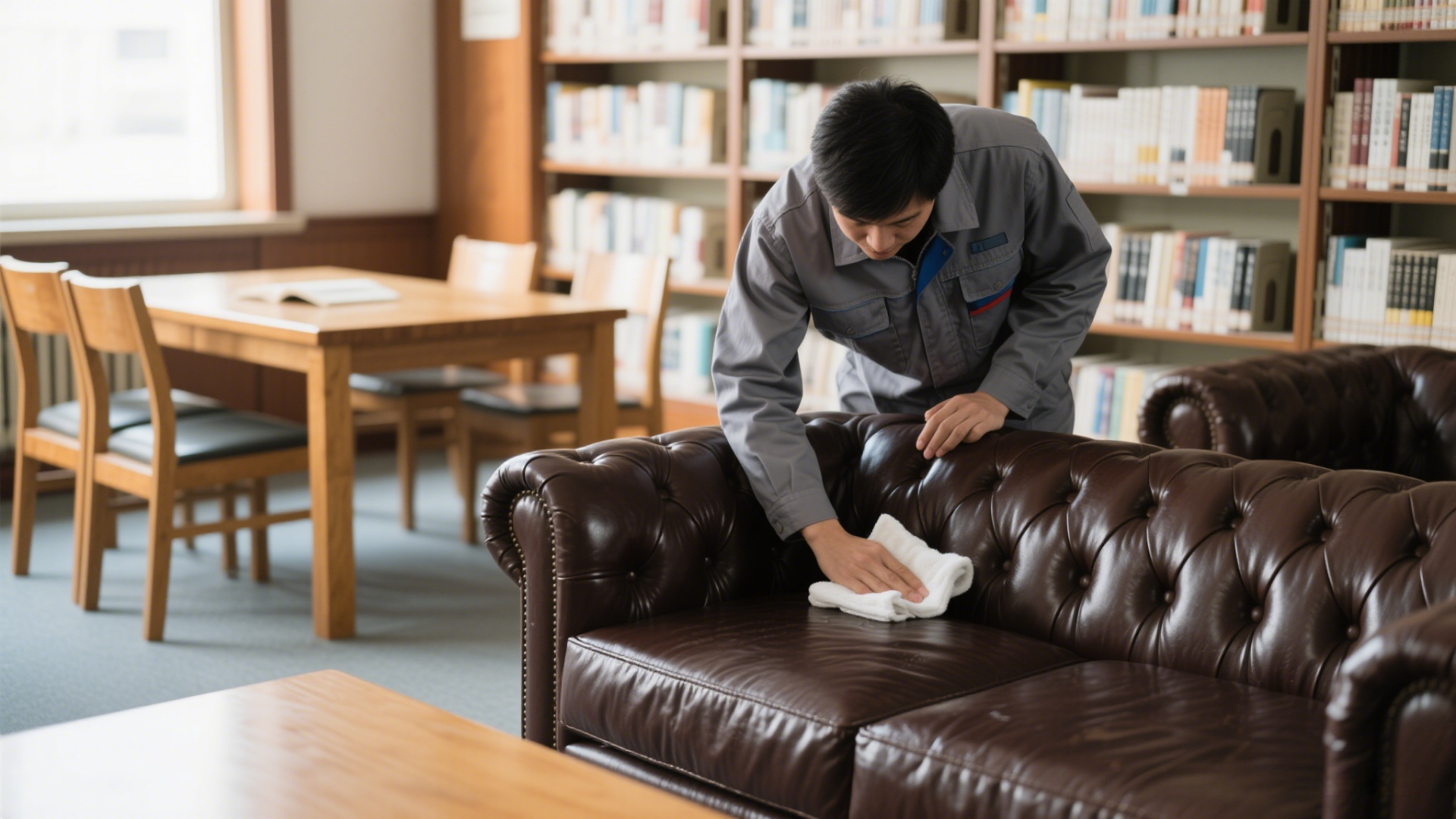
Fabric upholstery benefits from regular vacuuming and prompt stain treatment. Apply fabric protectant annually to resist staining and soil. For removable covers, follow manufacturer cleaning instructions carefully-some may be dry-clean only, while others can be machine washed. For non-removable upholstery, professional cleaning every 1-2 years helps remove embedded dirt and oils that regular vacuuming cannot address.
Metal components require protection against oxidation and corrosion. For brass and copper elements, apply a quality metal polish and protective coating every 6 months. For chrome and stainless steel, regular cleaning with a soft cloth and mild soap solution is usually sufficient, followed by thorough drying to prevent water spots.
Composite materials like medium-density fiberboard (MDF) with veneer finishes require careful moisture control. These materials are particularly vulnerable to water damage, which can cause irreversible swelling and delamination. Use coasters and mats religiously, and clean with barely damp cloths rather than wet cleaning methods.
Material Type | Primary Vulnerabilities | Maintenance Products | Application Frequency |
Oak and Maple | Moisture fluctuations, Surface scratching | Carnauba wax polish, Scratch repair kit | Polish every 6 months, Repair as needed |
Walnut and Cherry | UV fading, Drying | UV-protective finish, Oil-based conditioner | Condition every 3 months, Refinish every 10-15 years |
Full-grain Leather | Drying, Cracking, Staining | Leather cleaner, Natural conditioner | Clean monthly, Condition quarterly |
Fabric (Natural) | Staining, Wear, Fading | Fabric protectant, Spot cleaner | Protect annually, Professional clean every 2 years |
Fabric (Synthetic) | Pilling, Static, Wear | Anti-static spray, Pill remover | Treat quarterly, Remove pills as needed |
Hongye's Furniture maintenance approach demonstrates that with proper care, quality furniture can last significantly longer than commonly expected-extending lifespan by up to 50% beyond typical expectations. This comprehensive maintenance strategy not only preserves your investment but also reduces environmental impact by keeping well-made furniture in service rather than contributing to landfill waste. The five key elements-understanding degradation factors, implementing regular cleaning and preventive care, strategic positioning and environmental control, timely professional restoration, and material-specific maintenance-work together as an integrated system for furniture preservation.
By implementing these maintenance strategies, furniture owners can enjoy their pieces for generations rather than years. The initial investment in quality furniture combined with proper maintenance ultimately provides superior value compared to repeatedly replacing lower-quality items. Harvard's Furniture maintenance philosophy emphasizes that furniture care is not merely about preserving objects but about maintaining functional, beautiful living spaces that enhance daily life.
Whether you're preserving family heirlooms or maintaining recent purchases, these evidence-based maintenance techniques offer a practical pathway to furniture longevity. The modest time investment in regular care and the occasional financial investment in professional restoration yield substantial returns in extended furniture life and sustained enjoyment of your carefully chosen pieces.
Wooden furniture should be polished every 3-6 months to maintain its protective finish and appearance. The frequency depends on usage, environment, and the specific wood type. High-use surfaces like dining tables may benefit from quarterly polishing, while display cabinets might need attention only twice yearly. Use only a small amount of appropriate polish-excessive application can create buildup that attracts dust and becomes difficult to remove. Always apply polish to a soft cloth rather than directly to the furniture, and buff thoroughly after application. Between polishing sessions, regular dusting with a slightly damp microfiber cloth is sufficient for maintenance. For antique pieces with original finishes, consult a specialist, as modern polishes may not be appropriate and could potentially damage historic surfaces.
Sun damage can be effectively managed without changing your furniture arrangement through several targeted interventions. Install UV-filtering window films that block harmful rays while maintaining natural light-these films can reduce UV exposure by up to 99% while remaining virtually invisible. Alternatively, use window treatments like solar shades that filter light while preserving views, or lined curtains that can be closed during peak sunlight hours. For particularly valuable pieces, consider UV-protective covers that can be placed over furniture when not in use, especially in rooms with southern or western exposure. Rotate cushions and decorative items weekly to ensure even exposure. Finally, apply UV-protective finishes to wooden furniture-these clear coatings provide an additional layer of defense against sun damage while maintaining the furniture's natural appearance.
Water rings on wooden furniture often respond well to DIY treatments, depending on the finish type and damage severity. For white rings (moisture trapped in the finish), try the gentle heat method-place a clean, dry cloth over the ring and briefly press with a warm iron on low setting, checking frequently. Another effective approach is the mayonnaise method-apply a small amount of mayonnaise to the ring, let sit overnight, then wipe clean and polish. For oil-based finishes, a mixture of equal parts white vinegar and olive oil rubbed in the direction of the wood grain can remove minor rings. For deeper or darker rings (moisture penetration into the wood itself), try fine steel wool (#0000) with lemon oil, working very gently with the grain. Always test any treatment in an inconspicuous area first, and if these methods don't work or you're dealing with valuable furniture, consult a professional to avoid causing further damage.


 English

