
Views: 0 Author: Site Editor Publish Time: 2026-03-13 Origin: Site


Walk into your favorite coffee shop versus a sterile office—the difference isn't just style; the environment quietly dictates behavior. Effective classroom decor ideas do more than look pretty; they turn blank walls and basic furniture into a space where students actually want to learn.
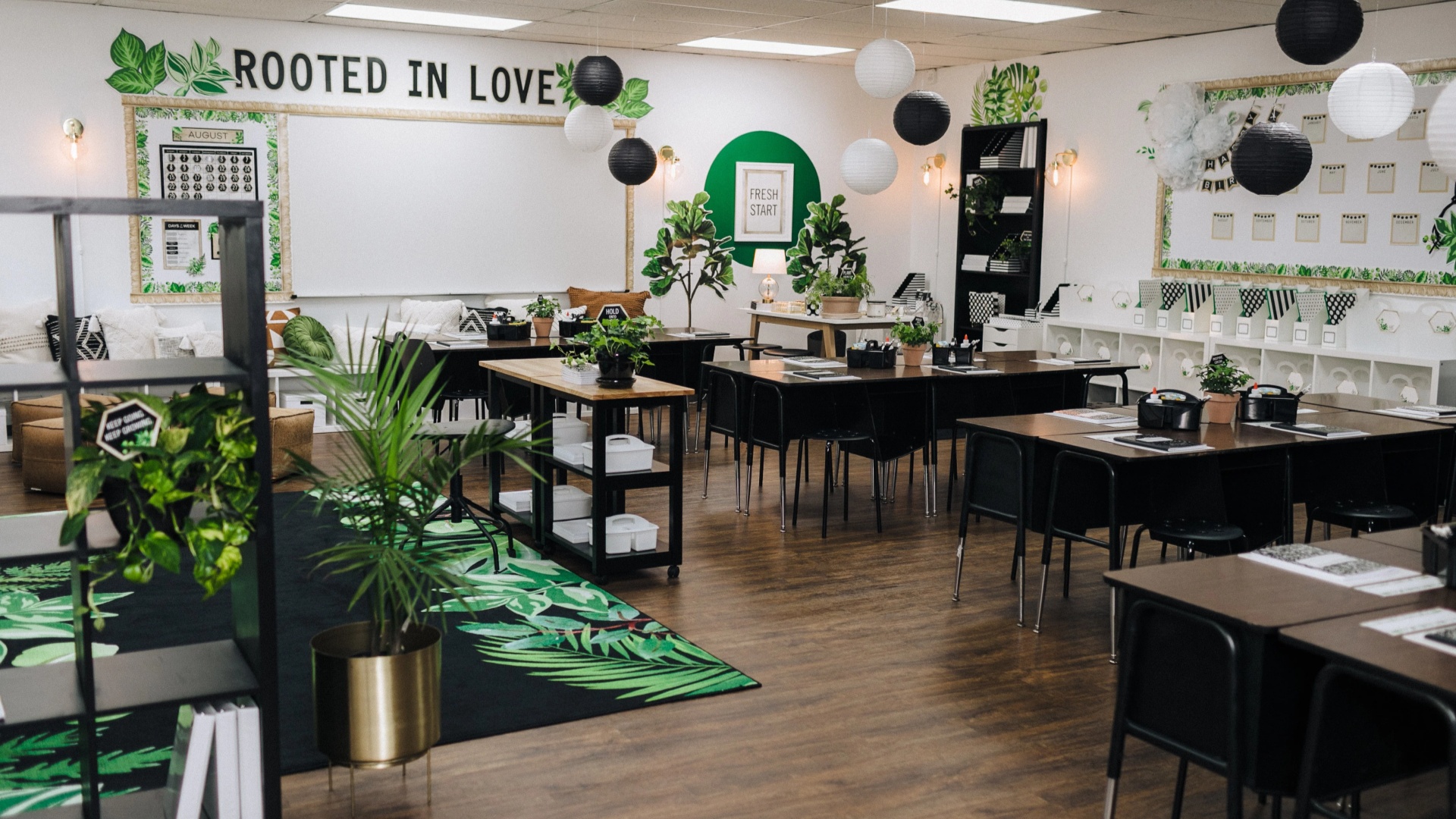
Think of the room like a home. You wouldn't put a noisy TV in a bedroom, and the same logic applies to school spaces: zoning, lighting, and decor should all support the energy you want in each corner. Even leaving intentional “visual white space” on the walls acts like a mental pause button, preventing sensory overload and helping students focus on what actually matters.
You don't need a huge budget or an interior design degree. Whether you're searching for new classroom inspiration or affordable teacher classroom decorations, the priority is function over perfection—design a room that works as hard as you do.
Imagine trying to listen to your favorite song while two other radio stations play in the background. That’s what it feels like for a student sitting in a room full of bright posters, busy borders, and hanging crafts all competing for attention. Every piece of “visual noise” increases cognitive load—the mental effort required just to process the environment—leaving less capacity for learning.s
Sensory‑friendly classroom design focuses on reducing unnecessary stimuli so students can concentrate on the lesson instead of fighting distraction.
Use calm, muted base colors (sage green, warm beige, soft blue) on walls and large surfaces, and reserve bright colors for key displays and student work.
Limit the number of competing posters on any single wall; choose one strong, purposeful display instead of many smaller ones.
Replace harsh fluorescent lights with floor lamps, diffusers, or softer LED bulbs when possible to reduce glare and eye strain.
Create quiet corners with soft rugs, cushions, or beanbags where overstimulated students can reset.
This approach doesn't mean “boring.” It means the room is intentionally calm so the curriculum, not the clutter, takes center stage.
A kindergarten room and a high school classroom serve very different emotional and academic needs, and their decor should reflect that. Early childhood spaces often lean into bright colors and playful visuals, while older students tend to focus better in more “grown‑up” environments that feel closer to a study lounge or modern office.
Themes work best when they mirror the curriculum and age group rather than add random cuteness. Visual consistency—matching borders, bins, labels, and fonts—signals order and helps students know what to expect in each area.
| Age Group | Example Themes | Color Palette & Decor Notes |
Early Elementary | Nature Explorers, Under the Sea | Brighter greens and blues; simple icons; clear picture labels |
Upper Elementary | Travel the World, Galactic Space | Muted navies, maps, globes, stars; more text‑based displays |
Middle School | Innovation Lab, Global Citizens | Neutral walls, accent colors by subject, data walls, goal trackers |
High School | Industrial Coffee Shop, Botanical Minimalist | Warm woods, plants, metal accents, simple typography, study‑zone lighting |
 Early Elementary
Upper Elementary

Middle School

High School
You don't need to custom‑craft every piece yourself; pre‑coordinated classroom decor packs and printable bundles make it easy to keep classroom decoration themes cohesive across signs, borders, and labels.
When square footage is limited, the fastest way to “gain” classroom space is to build up, not out. Walls, corners, and the sides of shelves are prime real estate that often go underused.
Trade wide, low cabinets for tall shelves or stacked bins to free walking paths and group areas.
Use pegboards, wall rails, or over‑the‑desk organizers to keep everyday tools visible but off surfaces.
Apply the “kitchen pantry rule”: everything should have a clear, labeled home so you can grab it in seconds.
A tidy teacher “command center” isn't just aesthetic—it lowers daily friction and models the organization you expect from students.
Research on flexible seating suggests that offering a variety of seating options—stools, cushions, standing desks, wobble chairs—can increase engagement and reduce disruptive behavior for many students. Not every child focuses best in a traditional chair, and allowing choice within clear expectations can help them self‑regulate their energy.
Simple flexible seating ideas include:
A few floor cushions or low stools for reading corners.
One or two standing desks for students who focus better while standing.
Wobble stools or balance cushions for students who need subtle movement to stay engaged.
Even functional items can contribute to your aesthetic. Soft fabric teacher wall hangings, macrame pieces, or fabric‑covered boards can hold anchor charts or supplies while also softening hard edges in the room.

Safety in a classroom is emotional as much as physical. Trauma‑informed design emphasizes calm lighting, predictable layouts, and visual cues that students are valued members of the space.
One powerful strategy is to dedicate a section of your walls to an inclusive wall of fame that prioritizes growth and effort over perfection. Instead of permanently laminated displays, use flexible systems that students can update themselves.
Assign each student a labeled clip, frame, or folder on a central board.
Let them choose which piece of work (art, writing, projects) to display each week.
Include reflection prompts (“I’m proud of this because…”) to turn the wall into a learning tool rather than just decor.This transforms walls from teacher‑only display space into a shared gallery where students see their identities, cultures, and efforts reflected daily.
Large‑scale school projects show how thoughtful planning can align furniture, decor, and spatial layout with pedagogy. The Charterhouse Lagos Education Project by Hongye Furniture is one such example, where classroom and learning spaces are designed to balance durability, aesthetics, and student‑centered function.
In projects like this, furniture with clean lines, coordinated finishes, and flexible layouts helps create zoned classrooms—areas for whole‑group teaching, independent study, and collaborative work—without overwhelming students visually. Storage, color palette, and seating are chosen as a unified system rather than piecemeal, which is exactly the mindset individual teachers can apply on a smaller scale.
You can explore how a complete, modern learning environment comes together in practice in the Charterhouse Lagos case here:


Looking at real project photos can offer powerful classroom decor inspiration, especially if you're planning to refresh multiple rooms or collaborate with administrators on larger improvements.
Transforming a room doesn't require a huge budget; it requires strategy. Many teachers combine new items, second‑hand finds, and DIY tweaks to stretch every dollar.
| Source Type | Best For | Key Advantages |
Dollar & discount stores | Borders, bins, seasonal accents | Very low cost, easy to replace |
Thrift & charity shops | Lamps, reading‑nook rugs, frames | Unique pieces, sustainable shopping |
Online marketplaces | Gently used flexible seating, shelves | Budget‑friendly big items, local pickup options |
Craft stores (clearance) | Bulletin board sets, fabric, letters | Big discounts after holidays and seasons |
Teacher supply sites | Coordinated decor packs, labels, posters | Themed sets that maintain visual cohesion |
Many dedicated teacher supply brands and online stores now offer neutral, modern classroom decor collections—think muted palettes, simple shapes, and inclusive imagery—that align with the sensory‑friendly and age‑appropriate principles described above.
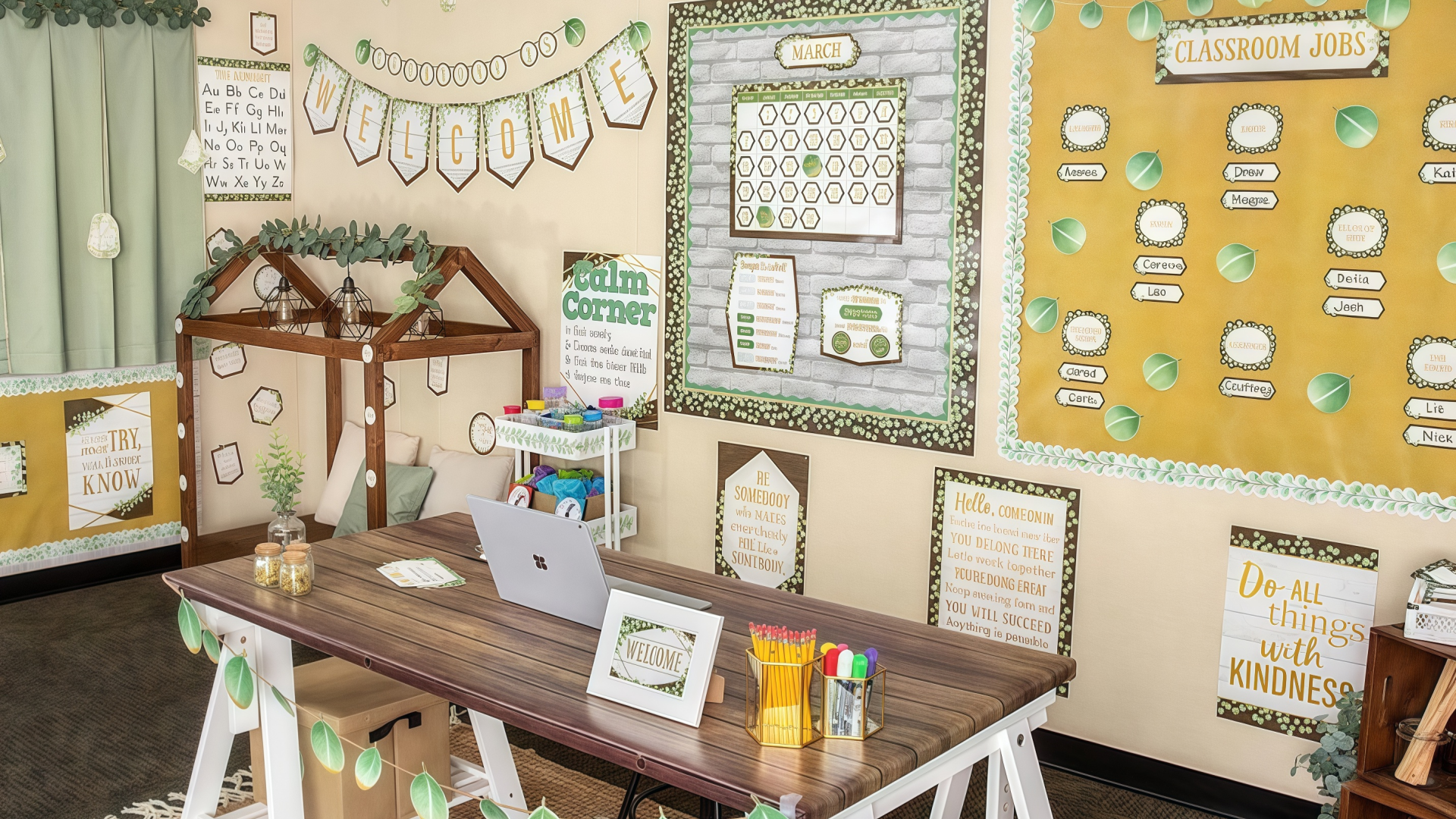
Use contact paper or peel‑and‑stick wallpaper to refresh old cabinets or backs of shelves.
Spray‑paint mismatched plastic drawers or book bins in one or two cohesive colors.
Turn fabric remnants or flat sheets into bulletin board backers and table covers.
Because many schools limit permanent wall changes, temporary wall adhesive solutions—removable hooks, putty, painter's tape, and command strips—are essential to hang decor safely without damage.
Adding plants softens harsh surfaces and can improve the mood of a room, but classrooms often have limited natural light and inconsistent care. Popular low‑light, low‑maintenance plants for classrooms include:
Snake Plant (Sansevieria)
ZZ Plant (Zamioculcas zamiifolia)
Pothos
These varieties tolerate low light and infrequent watering, making them realistic for busy teachers. Faux plants can also provide the same visual calm with zero maintenance.
To turn all these classroom decor ideas into action, break the process into simple steps you can actually complete during in‑service days or over a weekend.
Remove outdated posters, duplicate charts, and anything students no longer use.
Clear one wall completely if possible, then re‑add only purposeful displays.
Box up extra items to rotate later instead of leaving everything visible at once.
Treat your room like a small home with different rooms:
Whole‑group teaching zone (rugs, front‑of‑room displays).
Independent work zone (desks or tables with minimal distractions).
Collaboration zone (flexible seating, whiteboards, manipulatives).
Calm corner or sensory‑friendly zone (soft lighting, cushions, limited visuals).
Use rugs, furniture placement, and signage to make each zone obvious without building actual walls.
Add your “wall of fame” or student work gallery.
Include visuals that reflect your students' cultures, languages, and interests.
Integrate classroom expectations and routines into attractive visual reminders.
Label bins, shelves, and centers clearly so students can clean up independently.
Choose one or two accent colors to tie borders, baskets, and headings together.
Add plants or soft textiles last to avoid overfilling the room.
Picture a student walking in on Monday and feeling calm, welcomed, and oriented within the first 10 seconds—that's the real success metric for your decor choices.
If every wall is filled edge‑to‑edge with posters, borders, and artwork, students may struggle to focus on the board or their work. Research on sensory‑friendly classrooms suggests keeping visuals purposeful, limiting clutter, and using plain, calming colors on large surfaces to reduce overload.
Soft, muted tones—like light greens, blues, and neutrals—are often recommended because they create a calm backdrop and reduce visual stress. Brighter colors can be used as accents on bulletin boards or for specific learning centers, rather than covering every surface.
Several studies and classroom case reports indicate that flexible seating can increase engagement and reduce disruptive behavior for many students, especially when they’re taught how to use the options responsibly. Not every child needs alternative seating, but offering a few choices can help different learners find positions where they focus best.
Pick a simple color palette (one neutral + one or two accent colors) and apply it to borders, bins, and headings. Combine low‑cost finds from discount stores or thrift shops with one or two higher‑quality decor packs or printables so everything feels coordinated.
Teachers often mix several sources: dollar stores for bins and borders, thrift stores for rugs and lamps, online marketplaces for used furniture, and teacher supply sites for coordinated decor collections. Many also DIY elements with contact paper, fabric, or printable labels to match their theme.
Use displays that highlight student work, represent diverse cultures and languages, and celebrate growth instead of just high grades. Student‑curated boards, “all about me” corners, and rotating identity‑affirming literature or art can all help students feel seen.


 English

