
Views: 0 Author: Site Editor Publish Time: 2026-03-06 Origin: Site


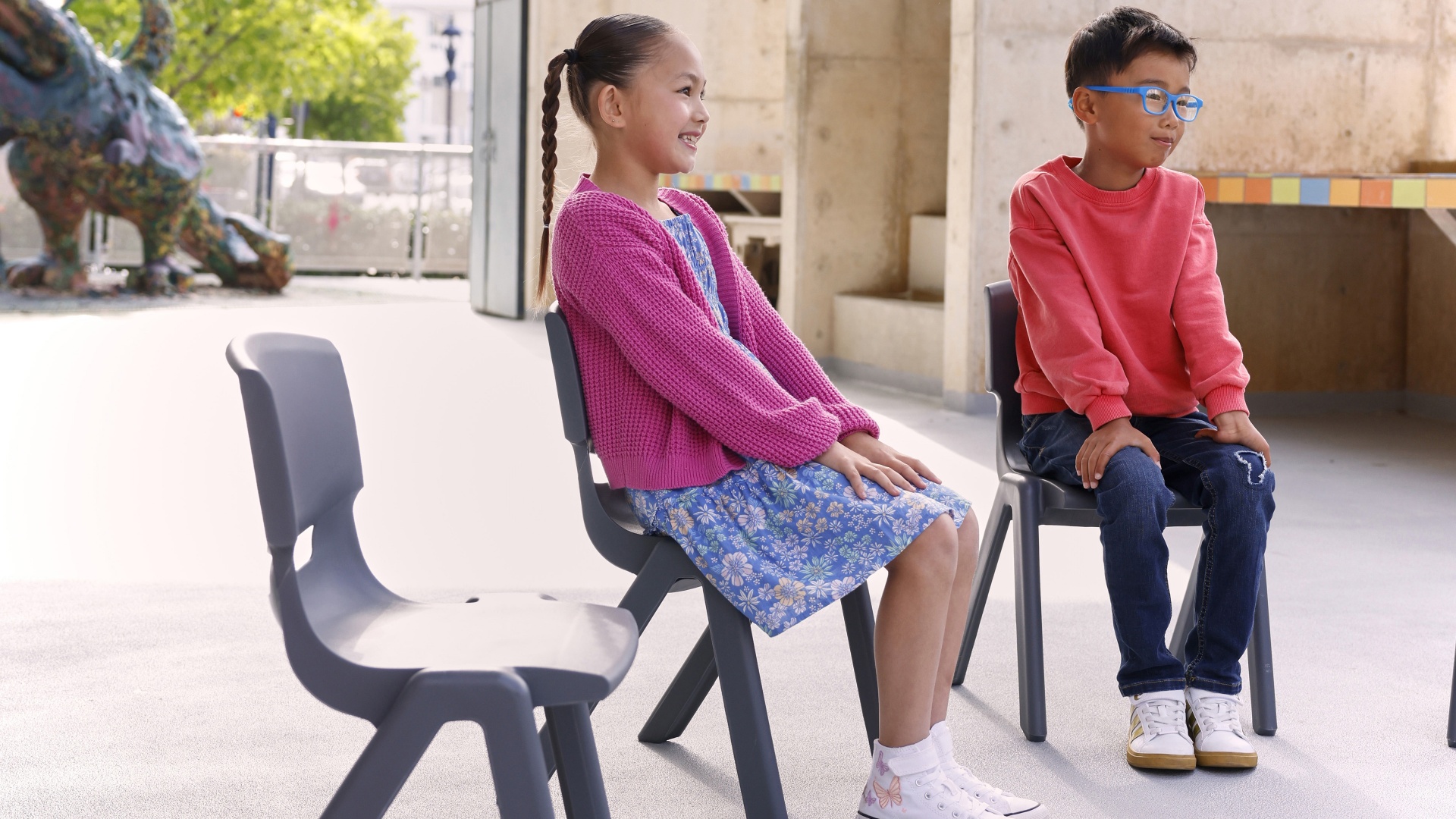
Choosing the right school chair is crucial for student comfort and learning. A well-designed chair can enhance focus and reduce fatigue. Comfortable classroom chairs support good posture, which is vital for students' health. Ergonomics play a key role in this. Different age groups require different chair designs. Kids school chairs differ from those for high school or college students. Durability is another important factor. School chairs must withstand daily use and last for years. Material choice affects both comfort and longevity. Breathable and easy-to-clean materials are ideal. Chairs in schools should also be versatile. They need to adapt to various teaching methods and classroom layouts. Budget constraints often influence chair selection. However, quality should not be compromised for cost. Ultimately, the right school chair can make a significant difference in the educational experience.
Selecting the right school chair profoundly impacts student well-being and academic performance. Comfortable chairs prevent discomfort and enhance concentration. Without proper support, students may experience back pain and fatigue, hindering their ability to focus on lessons.
Ergonomics are vital in fostering a conducive learning environment. Adjustable chairs accommodate different student sizes, ensuring everyone feels comfortable. Flexibility can also play a role in active learning, as students engage more when they're physically at ease.
Incorporating high-quality materials helps in maintaining hygiene standards. Kids school chairs, for instance, should have easy-to-clean surfaces. Durability cannot be overlooked as chairs will face daily use and potential wear and tear. Long-lasting materials ensure that chairs remain intact and serve well over time.

Moreover, the aesthetics of school chairs, including color and design, influence the classroom atmosphere. Vibrant colors can boost student mood and engagement, creating a welcoming environment. A well-thought-out selection considers:
Ergonomics and comfort.
Durability and material quality.
Design and aesthetic appeal.
These factors confirm that school chairs are more than mere seating. They are integral to education settings, affecting how students engage and perform daily.
Ergonomics is the science of designing products that fit the human body's natural movements. In the classroom, ergonomic chairs are crucial for maintaining student health. These chairs support posture, helping prevent long-term musculoskeletal issues.
A well-designed classroom chair should promote proper alignment. The backrest should support the natural curve of the spine. This prevents slouching and reduces the risk of back pain. Seat height is also critical. It should allow students to place their feet flat on the ground. Dangling feet cause discomfort and distraction.
Ergonomic chairs often come with adjustable features. These include seat height and backrest tilt adjustments. Such adaptability accommodates students of varying sizes, crucial in classrooms where one-size-fits-all isn’t suitable. For example, taller students may benefit from additional seat depth.
Ergonomically designed student chairs facilitate better circulation. They allow students to sit comfortably for extended periods. This improves focus and helps maximize learning potential. By preventing physical strain, these chairs support educational success.
When selecting ergonomic school chairs, consider:
Adjustable height and backrest.
Curved back support.
Appropriate seat depth and width.
Suitable armrest placement.

Investing in ergonomic chairs shows commitment to students' health and education. Ensuring comfort can improve student attitudes toward learning. It also underscores the importance of a thoughtful, student-centered classroom environment.
Selecting the right school chair involves considering the age and size of students. Kindergarten and elementary chairs need different features than high school or college seating. Younger children thrive with colorful, inviting designs. These make classrooms engaging and stimulate learning.
For kindergartners and young learners, small, lightweight chairs are optimal. They should be easy for little ones to move. Chairs with vibrant colors and fun patterns create a welcoming learning space. A lower seat height ensures comfort and accessibility, promoting independence as young children learn to manage their seating.
As students progress to middle school and high school, chair design should evolve. Comfort remains a priority, but durability becomes crucial. High school students benefit from adjustable chairs, accommodating their growing frames. Stackable options are practical for classrooms that require flexible seating arrangements.
College classrooms demand even more sophistication. Adult-sized chairs with ergonomic features become essential. Consider options like built-in desks or chairs with armrests for lecture settings. College chairs must support long periods of sitting, especially during exams and lectures.
When choosing age-appropriate school chairs, consider:
Size suitability for each age group.
Durability for active older students.
Designs that stimulate younger learners’ engagement.
Adjustability for growing teens and adults.
Flexibility in seating arrangements.
Selecting age-appropriate chairs enhances learning efficiency and comfort across educational stages. Each stage of learning requires thoughtful consideration of student needs, reflecting a commitment to their overall well-being.
Comfort plays a pivotal role in maintaining student focus and enhancing the learning environment. Comfortable classroom chairs must prioritize ergonomics to prevent physical discomfort and distraction. Proper lumbar support encourages good posture, reducing fatigue during prolonged sitting.
Adjustability is a crucial feature in comfortable chairs. Being able to alter chair height helps accommodate various student sizes, ensuring everyone maintains an appropriate desk position. This flexibility is especially important as students grow, providing a long-term seating solution.
Ventilation in chair design also impacts comfort. Breathable materials or designs that allow air circulation help maintain a comfortable temperature. This feature is important in warmer climates or crowded classrooms where heat can become a distraction.
Additionally, stability and durability are essential characteristics. Chairs must support daily use without squeaking or wobbling, which can disrupt the learning process. A non-slip base enhances safety, preventing injuries caused by slipping or tipping over.

When seeking comfortable classroom chairs, consider these features:
Ergonomic design for lumbar support
Adjustable height for different student sizes
Breathable materials for temperature control
Stable construction to prevent distractions
Non-slip base for safety
Comfortable chairs lead to better concentration, making them a worthy investment for educational settings. Thoughtfully designed seating enhances overall student well-being and academic performance.
Selecting the right materials for school chairs is essential for longevity and comfort. Durability ensures that chairs withstand daily use by active students without rapid deterioration. This not only saves schools money but also promotes a consistent learning environment.
Materials like high-quality plastic or metal frames provide strength and resilience. These materials can endure repeated movement and weight shifts, making them ideal for educational settings. Plastic is often lighter and easier to move, while metal is known for its sturdiness.
The seating surface should also feature durable materials. Fabrics should be easy to clean and resistant to stains, ensuring hygiene in shared spaces. Vinyl or coated fabrics often strike a balance between comfort and maintenance requirements.
When assessing materials for school chairs, consider the following factors:
Material strength and weight capacity
Resistance to scratches and impacts
Ease of cleaning and maintenance
Resistance to moisture and stains
A chair's durability directly impacts its cost-effectiveness. Investing in quality materials minimizes the need for frequent replacements, ultimately benefiting school budgets and student comfort alike.
School chairs come in various types, each catering to different educational needs and settings. Certain classrooms benefit from specialized chairs designed for specific purposes, enhancing both functionality and student engagement.
One popular option is school chairs with wheels. These chairs allow for easy movement, enabling dynamic classroom setups. They support collaborative learning by letting students regroup quickly during activities.
Ergonomic chairs are increasingly favored due to their health benefits. These chairs enhance posture and reduce strain, especially during long periods of sitting. Schools investing in ergonomic designs help students focus by minimizing discomfort.

Consider chairs with integrated desk surfaces for classrooms with space constraints. These combined units offer a compact solution, often seen in middle or high schools. They are particularly effective in lecture-style environments.
Different special chair types include:
Chairs with wheels for flexibility
Ergonomic designs for posture support
Integrated desk-chair combos for small spaces
Adjustable chairs to fit varied student heights
Specialized chairs meet unique classroom needs, balancing comfort and utility efficiently, contributing to a better learning atmosphere.
Classroom design significantly impacts learning, and compatible chairs play a vital role. Chairs should harmonize with the existing classroom environment, promoting a conducive space for education. Ensuring compatibility involves considering the room's layout, furniture style, and function.
The right classroom chairs complement other classroom furniture. Harmony in design and color can lead to a pleasant, unified appearance. This coordination supports a positive learning atmosphere, encouraging focus and engagement among students.
Functional compatibility is also key. Chairs should fit well under desks and tables to enhance comfort and accessibility. This consideration ensures that students can move freely without obstruction, fostering seamless interaction within the classroom.
Consider these design elements for compatibility:
Matching colors and styles with desks
Ensuring size compatibility with desk height
Allowing for ample movement space
Selecting the right chairs involves balancing aesthetics with practical needs, contributing to a functional and inviting educational space.
Purchasing school chairs involves careful budgeting for schools and parents alike. Balancing quality with affordability ensures students benefit from both comfort and cost-effectiveness. Thoughtful planning can prevent overspending while meeting classroom needs.
Bulk purchasing often offers substantial savings. Schools can explore discounts when buying classroom chairs for sale in larger quantities. Parents should consider cost-sharing strategies when buying kids school chairs for homeschooling groups or small learning pods.
It's crucial to evaluate long-term value over initial costs. Durable materials reduce the need for frequent replacements, providing better financial returns. High-quality classroom chairs often come with warranties, adding to their appeal and value.
Key tips for budgeting and buying include:
Seek bulk discounts for wholesale classroom chairs
Compare prices and features from multiple suppliers
Prioritize durability and warranty for long-term value
Making informed decisions ensures schools and parents secure the best chairs without overspending. This balance maximizes resources while prioritizing student comfort and educational success.


Classroom Desk And Chair Student Furniture
Maintaining school chairs is crucial for ensuring their longevity and safety. Regular checks can identify wear or potential safety hazards. This proactive approach can prevent accidents and extend the life of the chairs.
Safety features are vital, especially in environments with active children. Look for classroom chairs with non-slip feet to reduce accident risk. Ensure that chairs have no sharp edges or hazardous components.
Hygiene is a top priority in schools. Easy-to-clean surfaces help maintain a sanitary environment, vital for student health. Chairs made from materials that resist stains and odors contribute to a cleaner classroom.
Maintenance tips and considerations include:
Conduct regular inspections for stability and wear
Choose materials that are easy to wipe clean
Ensure chairs comply with safety standards
By following these guidelines, schools can create a safe, clean learning space. This not only protects students but also maximizes the chairs' lifespan.
When selecting school chairs, many common questions arise. Understanding these can facilitate better decision-making. Here are answers to frequently asked questions about school chairs.
The height depends on the student's age. Ensure feet rest flat on the floor.
Yes, for growing students. Adjustable chairs adapt to various sizes, offering long-term value.
Look for chairs supporting natural posture and featuring a proper backrest.
By addressing these questions, you can make informed choices that cater to your educational setting's specific needs.
Selecting the right school chair is crucial for fostering a productive learning environment. Prioritizing comfort and ergonomics helps students concentrate and reduce physical strain. Schools and parents should assess durability, design, and compatibility with existing furniture.
Choosing chairs tailored to age groups and classroom needs is essential. Balancing budget constraints with quality ensures a wise investment in the students' educational journey. By understanding these factors, you can ensure that school chairs enhance the learning experience and promote student well-being.


 English


