
Views: 0 Author: Site Editor Publish Time: 2026-04-07 Origin: Site


The selection of cafeteria tables for educational institutions is rarely as simple as picking a catalog page. It involves a layered decision-making process that takes into account functionality, durability, aesthetics, maintenance, and compliance with safety standards. School cafeterias are not just dining spaces; they are social hubs where students gather, talk, and build relationships. The furniture in these spaces, especially the tables, directly shapes how comfortably and efficiently those interactions happen.
Because of this, the choice of cafeteria tables needs to align with the school's broader goals: how the space will be used throughout the day, how often layouts must change, and which age groups will use the room. In many modern projects, schools work with specialist partners such as Hongye Furniture Group, who focus on education environments and help translate abstract requirements—capacity, supervision, safety—into practical layouts and furniture specifications that actually work on the ground.
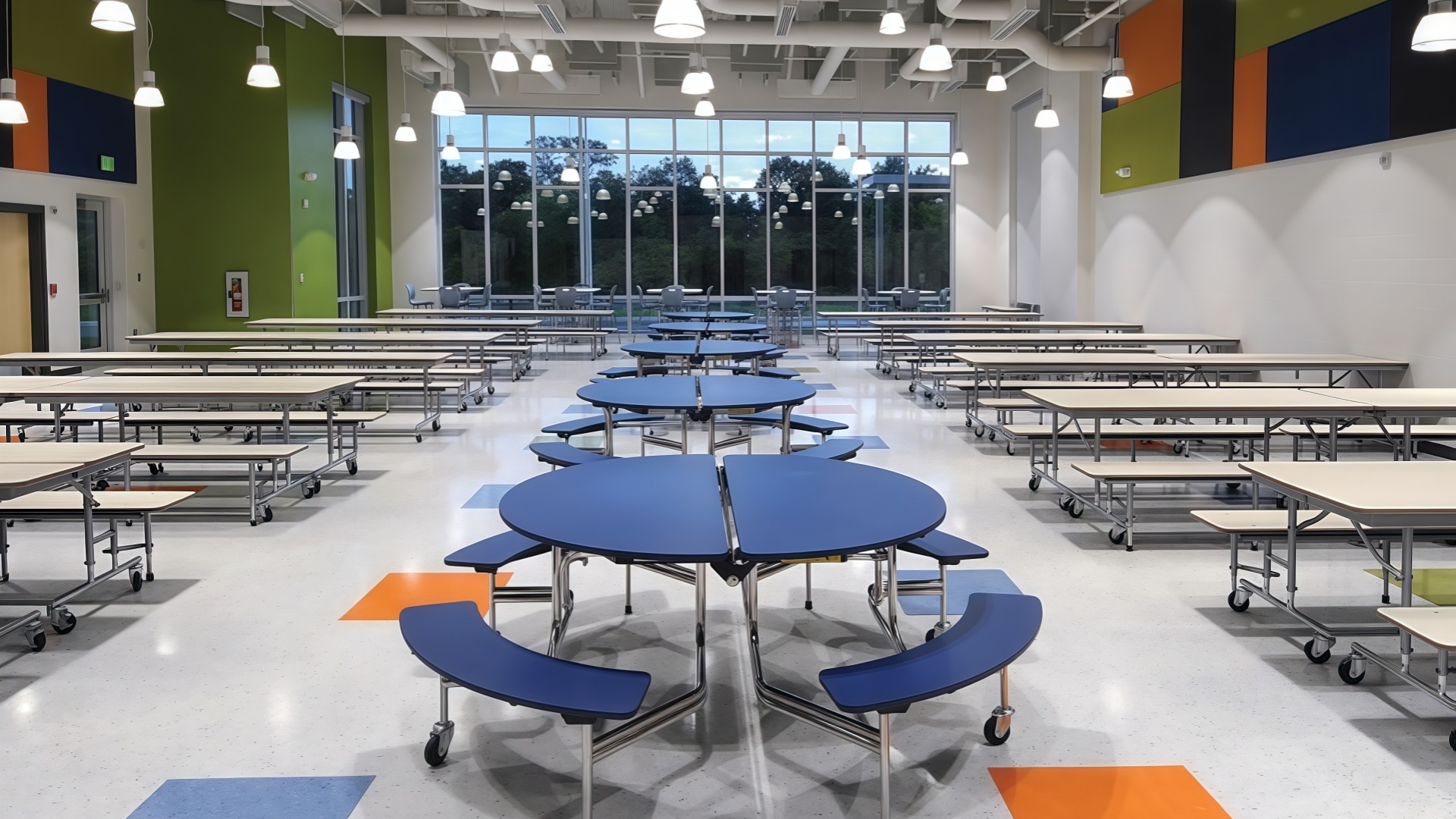
Selecting the right type of cafeteria table is central to meeting the diverse needs of a school environment. Different designs offer different strengths, and the table type you choose will have a long-term impact on how functional, adaptable, and welcoming your dining space feels.
Folding lunch tables are a natural fit for schools that need their cafeteria to do more than just serve meals. Their collapsible design allows staff to clear a room quickly, turning a lunch space into a multipurpose hall for assemblies, PE, after‑school clubs, or exams. When set up, built‑in locking mechanisms help keep the tables stable; when folded, casters allow one person to roll them into storage with minimal effort.
Because folding tables come in different shapes and sizes—rectangular, round, or semi‑circle—schools can mix and match layouts based on group sizes and supervision needs. Easy‑to‑clean tops and robust frames are essential, since these tables are handled more frequently than fixed units. Some models integrate benches or stools directly into the frame, simplifying both setup and storage, and ensuring that chairs never “wander off” into other rooms.
Education‑focused manufacturers such as Hongye Furniture Group often design their folding tables with school operations in mind, balancing weight, stability, and ease of movement. In projects where a single hall is used for both assemblies and dining, these tables can be the key to turning a tight schedule into a workable routine.


Mobile cafeteria tables sit somewhere between traditional fixed furniture and fully foldable systems. They are built on integrated wheel systems, which make it easy to reconfigure layouts without having to lift the tables or clear the room entirely. This mobility is particularly useful in schools that host frequent events, parent evenings, performances, or community activities.
Most mobile tables include robust safety locks to prevent drifting or accidental movement while students are seated. When unlocked, staff can quickly slide tables into new formations: long rows for high‑capacity lunch service, clusters for group work, or an open perimeter for events that require more floor area. Surfaces are typically designed to withstand heavy daily use—spills, tray scrapes, and constant cleaning—without deteriorating too quickly.
When schools cooperate with experienced suppliers, they can fine‑tune details such as table height, edge profiles, and color finishes. Hongye Furniture Group, for example, often helps schools coordinate cafeteria tables with nearby learning spaces and corridors so that the entire campus feels visually coherent rather than patched together over time.
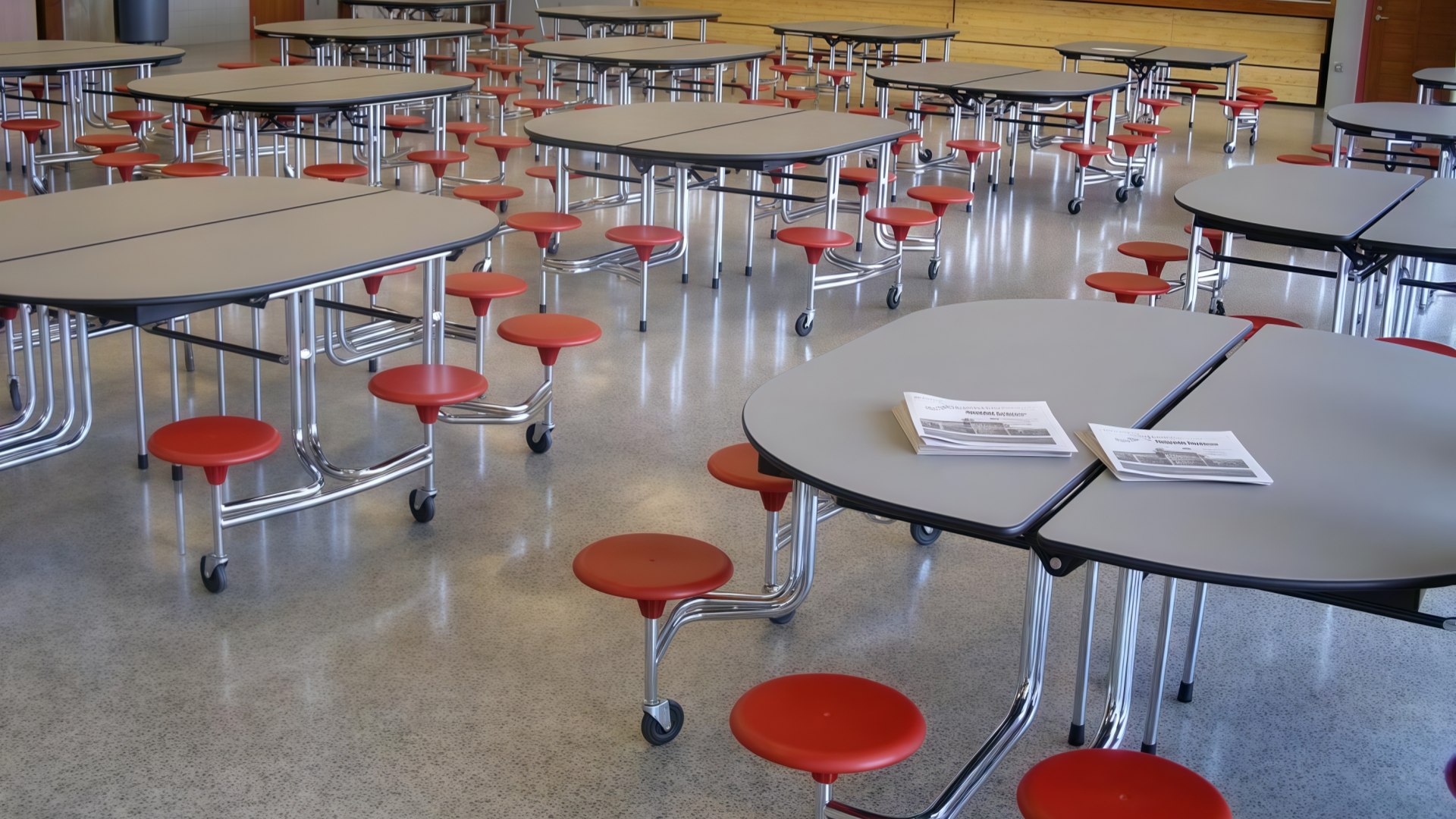
Convertible bench tables offer an efficient way to handle limited space and changing needs. These units combine the table and seating into a single piece of furniture, which can often be folded or reconfigured depending on use. Some designs can transition from a bench‑only setup to a full table‑and‑bench combination, or fold flat for storage along walls.
For schools that need to seat many students in a relatively small footprint, convertible systems help keep the room orderly. Because the benches and tops are structurally linked, the alignment remains consistent and walkways stay clear. The materials used—typically metal frames with durable laminates or compact tops—are chosen to withstand daily use by students across a wide age range.
On larger international school projects, including multi‑function halls, this kind of flexible furniture is often specified from the outset. In these scenarios, companies like Hongye Furniture Group don't just deliver tables; they work from architectural drawings to plan how many students must fit in each layout mode and how quickly staff need to be able to switch between them.


The way students sit in a cafeteria is just as important as the type of tables you choose. Seating arrangements influence social dynamics, noise levels, and how efficiently the space can be cleaned and supervised. Broadly speaking, schools tend to choose between three main approaches: bench seating, individual seating, and integrated seating systems.


School Dining Furniture Solutions Canteen Desk And Chair
Bench seating, often attached to or paired closely with long tables, is a classic cafeteria choice. It naturally encourages group conversation and a more communal atmosphere, which many schools value as part of the social learning experience. Because benches don’t divide the space into individual spots, students can adjust slightly to make room for one more person, which helps maximize seating capacity in a small area.
From an operational standpoint, bench seating also simplifies cleaning and movement. There are fewer separate pieces to navigate, and staff can wipe down continuous surfaces more quickly. Some schools choose benches with backrests for additional comfort, particularly in secondary settings where students are taller and may spend longer periods seated.
When bench‑based layouts are designed carefully, they also support smooth traffic flow. Furniture planners frequently consider how students line up, where staff stand for supervision, and how quickly the room can be reset between lunch waves.
Individual seating—such as stools or chairs arranged around round or square tables—offers a different set of advantages. By defining personal space more clearly, individual seats can reduce jostling and minor conflicts, which is particularly helpful in settings where students need more structure or where quieter dining is a priority.
This style of seating can also be more accommodating for students with specific needs. Wheelchair‑accessible tables, seats with arms or higher backs, and ergonomic designs for older students are easier to integrate when each place is distinct. Modular individual setups can be rearranged as group sizes change, allowing the same furniture to serve small group work, staff meetings, or community events outside lunch hours.
In high‑end international schools, it’s increasingly common to see “café style” corners with small tables and individual seating. Projects like Charterhouse Lagos, where the overall campus is designed to feel modern and aspirational, often incorporate these more informal dining and study niches to give older students a sense of independence. You can see an example of this kind of campus‑wide furniture planning in the Charterhouse Lagos Education Project by Hongye Furniture Group:


Charterhouse-Lagos-Education-Project-by-Hongye-Furniture
Tables with attached seating represent an integrated approach that many schools find practical. In these designs, stools or benches are fixed to the table frame, creating a single, stable unit. This reduces clutter, prevents chairs from being moved into aisles or out of the room, and simplifies storage where folding mechanisms are included.
Integrated seating is especially useful in high‑traffic cafeterias with tight turnaround times, where staff need to know exactly how many students can be seated at each unit and where walkways must remain clear for safety. The unified frame construction also tends to be robust, which is important in environments where furniture is used daily by hundreds of students.
For school groups operating multiple campuses, choosing one or two integrated models and standardizing them across sites can make procurement, maintenance, and future expansion more straightforward. Suppliers like Hongye Furniture Group often support this by recommending a core set of table‑and‑seat combinations that can work in different building types with only minor adjustments.
The materials used in cafeteria tables play a decisive role in how well they hold up over time and how easy they are to look after. Cafeterias are tough environments: spills, dropped trays, frequent cleaning, and constant movement all place stress on the furniture.
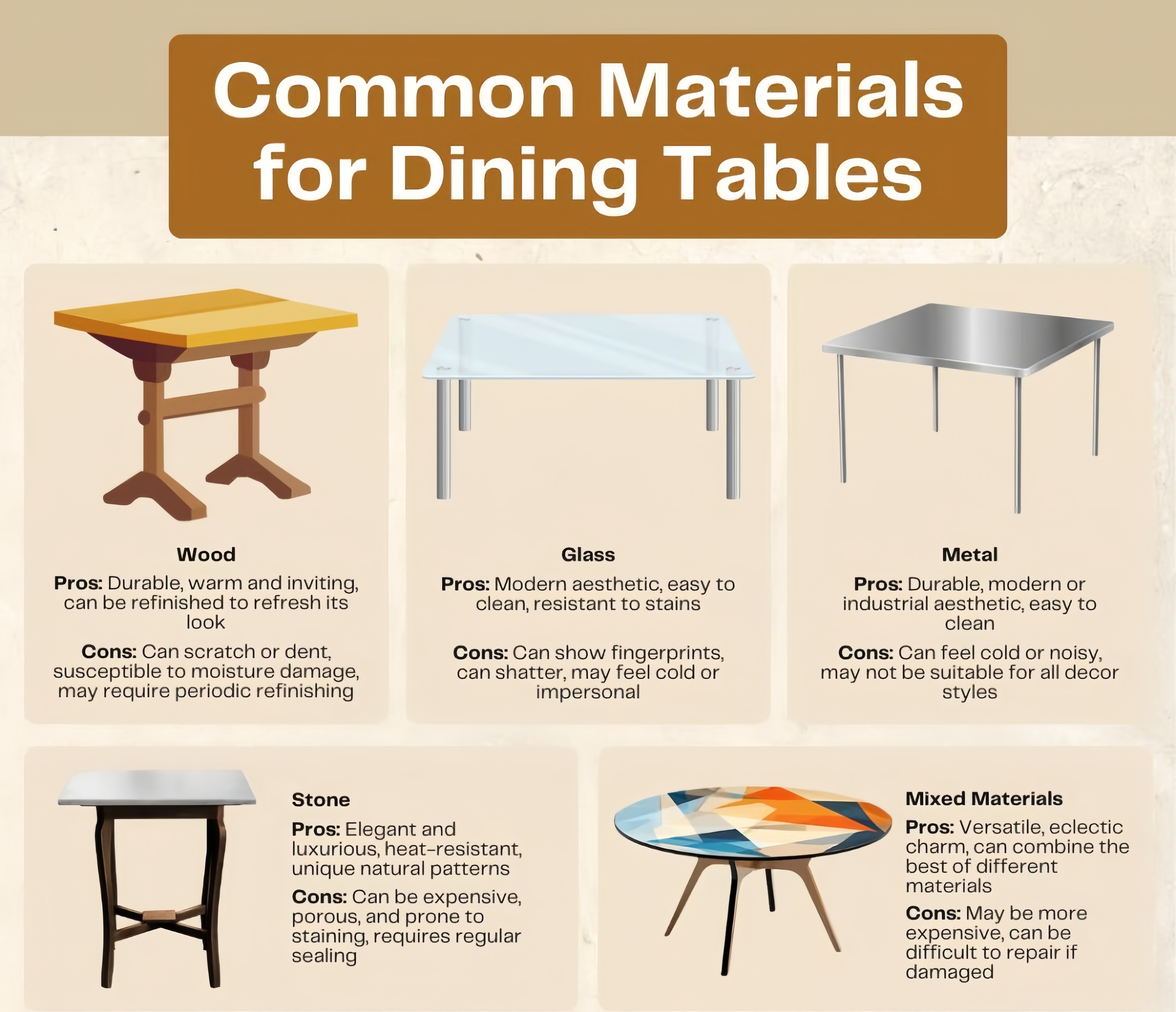
Common tabletop materials for school cafeterias include high-pressure laminate (HPL), compact laminate, and high‑density polyethylene (HDPE). These surfaces are chosen because they resist scratches, stains, and moisture, and can be wiped down quickly between lunch periods. Sealed or banded edges help prevent moisture from seeping into the core and keep the edges from chipping.
Frames are usually made from steel, often with a powder‑coated finish to protect against corrosion and daily wear. Good design ensures that connection points, hinges, and moving parts (on foldable and mobile tables) are robust enough to withstand repeated use without loosening or squeaking. Some schools also look for antimicrobial surface options to support hygiene policies.
Manufacturers with deep experience in education projects, including Hongye Furniture Group, typically tailor material combinations to the region and usage pattern: for example, choosing finishes that cope well with either very high humidity or very dry, heavily air‑conditioned environments.
Safety is non‑negotiable when it comes to school furniture. Cafeteria tables must comply with relevant standards for stability, load-bearing, fire performance, and material safety. Rounded corners and edges help reduce the risk of injury, while non‑slip foot designs and reliable locking mechanisms on mobile or folding units prevent unwanted movement.
Schools also need to think about how tables behave under real conditions—crowded lunch periods, students leaning on edges, or multiple children standing up at once. Regular inspections and maintenance routines are important for catching loose bolts, worn casters, or damaged tops before they become hazards.
On large campus projects, safety requirements are usually written into the project specifications from the design stage. Companies like Hongye follow those standards through design, production, and installation, which gives school leadership confidence that furniture choices will stand up to daily use as well as formal inspections.
While performance is critical, how the cafeteria looks also matters. Color, texture, and form all influence the atmosphere of the dining area. Neutral bases—greys, soft wood tones, or white—tend to work well as a backdrop, while brighter accent colors can be used sparingly to reflect school branding or help define zones for different age groups.
Some schools choose to align cafeteria furniture finishes with classroom and library furniture to create a unified visual language across the campus. Others use the dining hall as an opportunity to introduce a slightly different character, perhaps leaning towards a “café” or “commons” feel for older students. Practical features such as stackability, foldability, and built‑in storage should be considered alongside these visual decisions.
In projects like Charterhouse Lagos, Hongye Furniture Group has helped schools develop a consistent palette of materials and colors that tie dining spaces, learning commons, and breakout areas together, so students experience the campus as a cohesive environment rather than a collection of disconnected rooms.
Cafeteria tables represent a substantial investment, especially when outfitting a new school or refurbishing several dining spaces at once. Making the right decisions upfront can save both money and headaches in the long run.
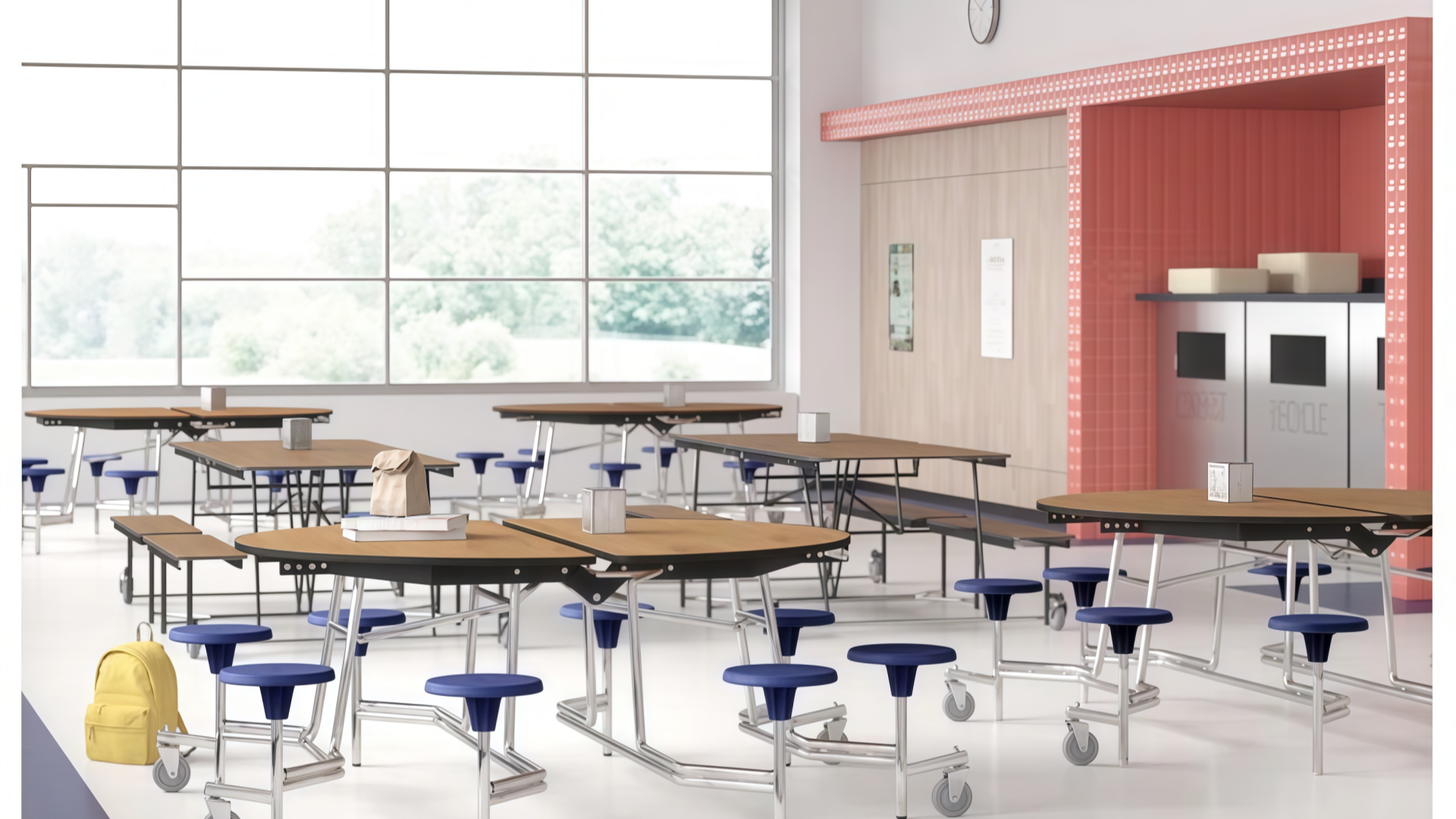
Looking only at the lowest purchase price is rarely the best strategy. Cheaper tables may have shorter lifespans, thinner tops, weaker frames, or limited spare‑part support. Over time, frequent repairs, replacements, and downtime can easily outweigh the savings made at the beginning.
A more sustainable approach is to evaluate total cost of ownership: expected service life, maintenance needs, availability of parts, and warranty terms. High‑quality tables may cost more initially but often provide better value when viewed over a ten‑year period. Schools should also think about how furniture choices might affect cleaning efficiency and staffing demands.
Experienced partners are useful here. Manufacturers and suppliers who have delivered multiple school projects can share realistic expectations about how different models age in real conditions and what kind of maintenance is involved. Hongye Furniture Group, for example, often draws on its portfolio of education projects to advise clients on where to invest and where simpler solutions are sufficient.
There are many types of cafeteria tables on the market: foldable lunch tables, long tables with benches, round tables with attached stools, mobile units, and fully custom configurations. Choosing among them requires a clear understanding of how each space will be used, how many students must be seated per wave, and how much storage is available.
Working with reputable suppliers and manufacturers gives schools access to tested product lines and, where needed, project‑specific customization. Visiting showrooms or reference schools, asking for sample materials, and reviewing case studies can all help decision‑makers evaluate quality beyond sales brochures.
Seeing a real project—such as the Charterhouse Lagos Education Project by Hongye Furniture Group—can be particularly helpful. It shows how furniture choices look and perform in a working school environment, not just in a catalog photo.
For many schools, the best results come from treating furniture procurement as the start of a long‑term partnership rather than a one‑off transaction. Customizable elements such as table dimensions, finish options, edge styles, and integrated power or storage can make a big difference in how well the cafeteria supports everyday school life.
By building a stable relationship with a trusted supplier, schools can benefit from consistent service, coordinated future orders, and support with maintenance or refurbishment cycles. It also becomes easier to keep a unified look across multiple buildings or campuses as the school grows.
As a full‑service education furniture specialist, Hongye Furniture Group typically supports clients from early space planning and layout proposals through to production, delivery, installation, and after‑sales service. That kind of continuity helps ensure that the tables selected on paper actually meet expectations once hundreds of students start using them every day.
Choosing cafeteria tables for schools is much more than a logistical exercise. The furniture you pick affects how students move, talk, and feel during one of the most social parts of their day. The right mix of table types, seating arrangements, materials, and colors can turn a noisy, cramped hall into a welcoming, well‑organized space that supports both comfort and efficient operations.
By taking a long‑view approach—considering durability, safety, maintenance, and aesthetics together—and, where possible, drawing on the experience of established education furniture partners like Hongye Furniture Group, schools can create dining environments that serve them well for years. Real‑world projects such as the Charterhouse Lagos Education Project show what is possible when furniture is planned as part of a whole learning ecosystem, not an afterthought.


 English

