
Views: 0 Author: Site Editor Publish Time: 2026-04-14 Origin: Site


Classroom activity tables are transforming educational spaces. They are more than just furniture; they are tools for engagement. These tables foster dynamic learning environments. They encourage interaction and collaboration among students. Innovative designs cater to diverse educational needs. From kindergartens to high schools, activity tables are versatile. They come in various shapes and sizes. Some are adjustable, others are modular. This flexibility supports different teaching methods. Kindergarten activity tables often feature bright colors. These designs stimulate young minds and make learning fun. For older students, tables can be subject-specific. Science tables might have durable surfaces, while art tables could include storage. Safety is a priority in design. Rounded edges and non-toxic finishes ensure a safe learning environment. Investing in quality tables can enhance student outcomes. They are a key component in modern classroom design.
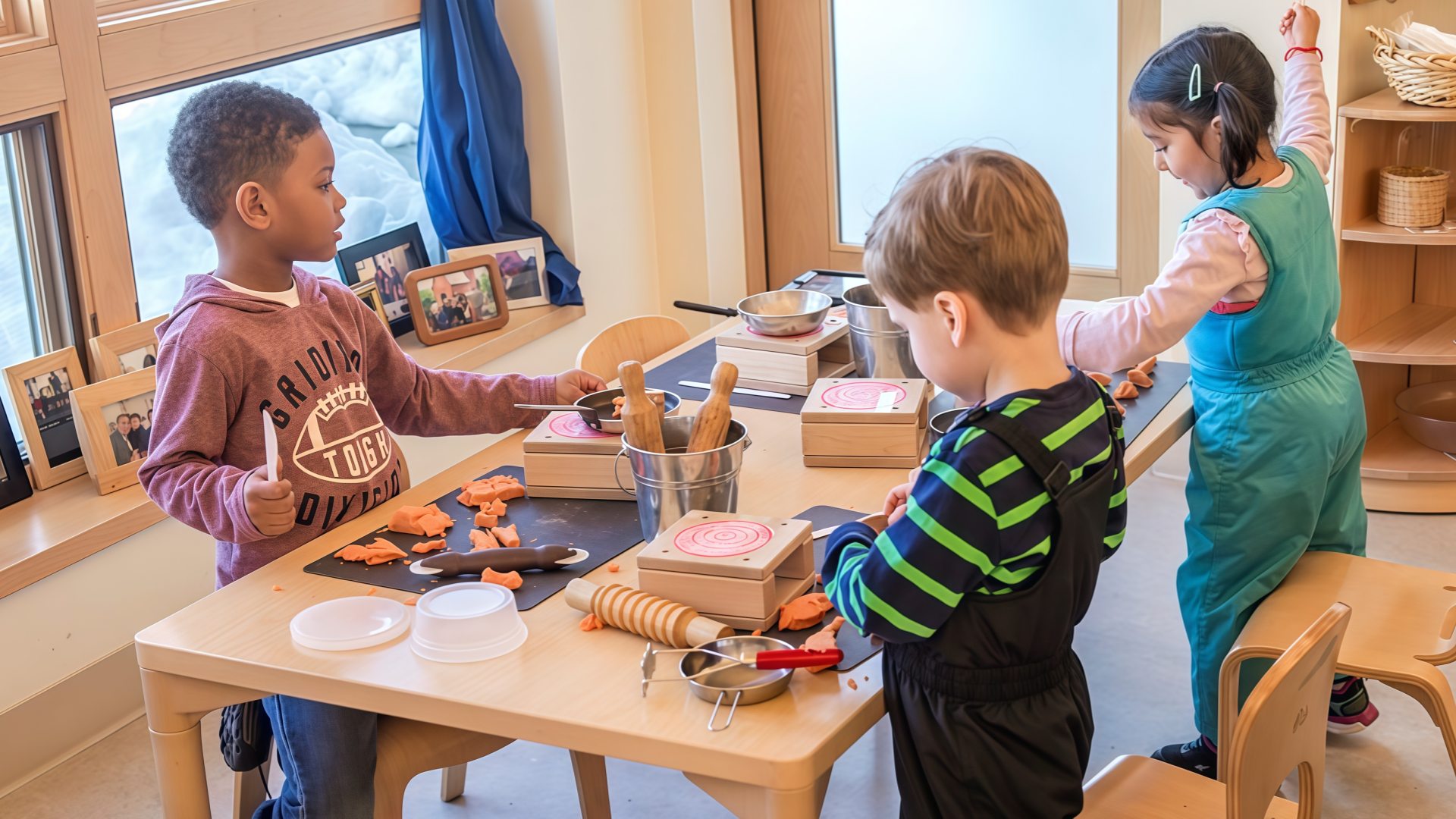
Activity tables play a crucial role in today's classrooms. They are essential in creating vibrant learning spaces. These tables are designed to adapt to various educational needs. Their flexibility allows teachers to arrange classrooms for different activities. From group projects to individual tasks, they support diverse learning styles. Such adaptability is vital in modern education. These tables encourage collaboration among students. They facilitate teamwork and improve communication skills. Collaborative tables help students engage more deeply with peers. Beyond collaboration, activity tables support different learning methods. They can transform a classroom into an interactive space for experiential learning. With the right tables, lessons can be more hands-on. Classroom design has evolved with these tables. The focus is now on student-centered learning environments. This shift has made classrooms more dynamic. Teachers appreciate the tables' practical features. Many come with storage options to keep supplies organized. Some are mobile, allowing easy reconfiguration of the classroom. Activity tables are also key to accessibility and inclusivity. Tables of varying heights and shapes accommodate all students, ensuring everyone participates fully.
Collaboration and Engagement: Foster teamwork and deeper engagement.
Versatility in Use: Adapt to multiple teaching methods and classroom activities.
Accessibility and Inclusivity: Provide options for all learning needs and styles.
Organizational Benefits: Include storage solutions for better classroom organization.
With these roles, activity tables have become indispensable in education. They offer more than functionality; they contribute to a richer educational experience.
Innovative classroom activity tables come with many features. These features aim to enhance student engagement and learning experiences. They are thoughtfully designed to meet educators'needs. One key feature is adjustable height. Tables that can be raised or lowered are versatile. They accommodate students of different ages and heights. This flexibility ensures comfort and ergonomic support. Another important feature is modularity. Many tables can be grouped or separated easily. This allows teachers to create various configurations quickly. It supports both group activities and individual work. Multi-functional designs are increasingly popular. Some tables have writable surfaces, useful for brainstorming sessions. Others integrate technology, like charging ports, to support digital learning tools. Durability is also a crucial consideration. Tables built from robust materials withstand daily use. High-quality finishes ensure longevity and easy maintenance, which is vital for busy classrooms. Storage solutions improve classroom organization. Tables with drawers or shelves help keep supplies handy yet tidy. This reduces clutter and optimizes the learning environment.
Adjustable Heights: Accommodate diverse student needs comfortably.
Modular Configurations: Support flexible teaching methods and classroom layouts.
Multi-Functional Surfaces: Provide writable and tech-integrated options for varied activities.
Durable Construction: Ensure longevity and withstand daily classroom activities.
Integrated Storage: Enhance organization and reduce classroom clutter.
Safety and environmental considerations are also key. Tables often feature rounded edges to minimize injury risks. Non-toxic materials make them safe for younger children. Additionally, sustainable manufacturing practices are prioritized, appealing to eco-conscious schools. These innovative features support a wide range of classroom activities. They transform traditional learning spaces into dynamic environments.
Classroom activity tables come in a variety of styles and designs. Each type serves specific educational purposes and environments. Understanding these types helps educators choose the best for their needs.
The first type is the standard table, often rectangular or circular. These tables support general classroom activities. They accommodate both group and independent work effectively.
Science tables are another specialized design. Built with durable materials, they withstand experiments and provide ample space. Some feature chemical-resistant surfaces, essential for safety in a science setting.
Art tables offer unique features like washable surfaces. They often include built-in storage for art supplies. This makes them perfect for creative projects and artistic exploration.
Computer tables are designed for technology integration. They may include built-in power outlets or cable management systems. These ensure that devices are accessible and organized.
Activity tables for younger children are vibrant and playful. They often feature interesting shapes and bright colors. Such designs make them highly engaging for young learners.
Standard Tables: Versatile for most classroom activities.
Science Tables: Equipped for experiments with durable surfaces.
Art Tables: Include easy-clean surfaces and integrated storage.
Computer Tables: Designed for digital tools with tech-friendly features.
Children's Tables: Colorful and playful to engage young students.
Multi-purpose tables adapt to various subjects and activities. Their design allows rapid transitions between lessons. This flexibility is valuable in dynamic educational settings.
Selecting the right type improves classroom function. The right table supports educational goals by aligning with teaching methods. Therefore, choosing appropriate tables is crucial for effective learning environments.
Kindergarten activity tables focus on engaging young minds. They are crafted to be inviting and stimulating. Their design reflects the playful nature of early education.
Round and kidney-shaped tables are popular in kindergartens. These shapes facilitate social interaction among children. They also provide ample space for group play and activities.
Colors and shapes are often bright and varied. This visual appeal captures children's attention and interest. It helps create an environment where children enjoy spending time.
Safety is a paramount consideration. Kindergarten tables feature rounded edges to prevent injuries. They also use non-toxic materials, crucial for children’s health and safety.
Ergonomic design ensures comfort for small children. Tables and chairs are proportioned for early learners. This attention to detail supports posture and reduces fatigue during activities.
Inviting Shapes: Round or kidney shapes support collaboration.
Vibrant Colors: Stimulating designs capture children’s interest.
Safe Materials: Non-toxic, with rounded edges for safety.
Ergonomic Design: Proportioned for young learners' comfort.
These design elements collectively boost learning and exploration. Kindergarten tables set the stage for enthusiastic learning and development.
Activity tables for schools are incredibly versatile. They support diverse subjects and teaching methods. Their adaptability makes them essential educational tools.
For science, tables with durable, chemical-resistant surfaces are ideal. These withstand rigorous experiments and protect against spills.
Art-focused tables offer spacious surfaces and easy-clean finishes. Built-in storage for supplies enhances their functionality. They cater to messy and creative projects without hassle.
In technology-focused classrooms, tables often integrate digital tools. They may include spaces for computers or tablets and cable management. These features streamline the use of electronic devices in education.
Modular tables are perfect for workshops and collaborative projects. They can be rearranged quickly to form different configurations. This supports both teamwork and individual study.
Science-Friendly: Durable, spill-resistant for lab use.
Art-Ready: Easy-clean surfaces with supply storage.
Tech-Integrated: Suitable for digital tools with cable management.
Modular Design: Configurations for group or solo tasks.
Activity tables transform classrooms into interactive spaces. They align with the varied needs of educational environments, driving active learning.
Activity tables are pivotal in enhancing educational experiences. They provide several significant benefits that contribute to effective teaching and learning. These tables transform classrooms into interactive learning spaces.
One major advantage is increased student engagement. Activity tables encourage participation by fostering collaborative learning. Students work together, enhancing communication and teamwork skills.
Flexible seating arrangements are another benefit. Tables that can be easily moved and reconfigured support various teaching methods. This flexibility accommodates different lesson plans and learning activities.
Improved organization in classrooms is also a notable benefit. Many activity tables include storage solutions, reducing clutter. This facilitates a more focused and productive learning environment.
Durability is a key consideration as well. High-quality materials ensure that tables withstand frequent use. This longevity provides a good return on investment for schools and institutions.
Activity tables support multiple learning styles. Whether for group discussions or individual tasks, the right table enhances instructional delivery. This adaptability can cater to diverse educational needs and preferences.
Safety features, such as rounded edges and non-toxic finishes, are crucial. They protect young learners and ensure classrooms remain safe spaces. This aspect is especially critical for early education settings.


School Classroom Furniture Kindergarten And Preschool Kids Student Desk And Chair
Increased Engagement: Encourage active participation and collaboration.
Flexible Seating: Adaptable to different teaching methods.
Enhanced Organization: Built-in storage reduces clutter.
Durability: Made with materials that last.
Support Diverse Learning Styles: Cater to varied educational needs.
Safety Features: Ensure a secure learning environment.
Ultimately, activity tables play a significant role in modern education. By addressing practical needs and enhancing learning experiences, they prove invaluable in classrooms today.
Selecting the best activity tables requires careful consideration. The right choice can significantly impact classroom efficiency and student engagement. Begin by assessing your specific needs and objectives.
First, consider the age group you are catering to. Younger students may benefit from tables with colorful designs and lower heights. Older students require more sophisticated and versatile options.
Next, evaluate the size and shape that best fits your classroom layout. Round tables promote interaction, while rectangular tables can save space. Ensure the tables fit comfortably within the available area.
Think about the materials and durability. Tables should withstand frequent use and any rough handling. Options made from high-quality, durable materials ensure longevity and fewer replacements.
Flexibility is another crucial factor. Tables with adjustable heights or modular designs can adapt to different teaching styles and classroom activities. This feature provides long-term usability as educational needs evolve.
Additionally, consider tables with integrated storage to maintain an organized learning environment. This reduces distractions and keeps essential supplies within easy reach for students.
Finally, always prioritize safety features like smooth edges and non-toxic finishes. This is vital in ensuring a secure and risk-free classroom for young learners.
Age Appropriateness: Suitable designs for the specific age group.
Size and Shape: Fits well with the classroom layout.
Material and Durability: Built to last with quality materials.
Flexibility: Adjustable and adaptable designs.
Storage Solutions: Helps keep the classroom organized.
Safety Features: Essential for young students' safety.
By evaluating these factors, you can select activity tables that enhance both teaching effectiveness and student experiences.
Activity tables play a critical role in overall classroom design. Their integration requires thoughtful planning. They should complement the learning goals and space available.
Begin by evaluating the current classroom layout. Identify areas that could benefit from reorganization. Consider flow and accessibility to ensure easy movement for teachers and students alike.
Align the table configurations with your teaching methods. For instance, flexible seating arrangements cater to group work and individual tasks. Choose table designs that align with these learning needs.
Consider the aesthetic value of your tables. Colorful designs can enhance young learners' enthusiasm and excitement. Neutral tones may suit older students, promoting focus and concentration.
Practicality is crucial. Ensure tables are easy to move and reconfigure. This allows for seamless transitions between different activities throughout the day.
Evaluate Layout: Understand the current space and areas for improvement.
Align with Methods: Match table configurations to teaching styles.
Aesthetic Choices: Pick colors that inspire and focus students.
Practical Use: Opt for movable and reconfigurable tables.
Effective integration transforms spaces into dynamic learning environments. Thoughtfully chosen activity tables enhance engagement and educational experiences, fostering a conducive atmosphere for both students and teachers.
Activity tables offer endless opportunities for innovative uses and creative projects. They serve as flexible platforms for experiential learning. Teachers can easily switch between various educational activities.
These tables are perfect for project-based learning. They provide space for students to experiment and collaborate. Groups can gather around a table to brainstorm, prototype, and present findings.
Creativity thrives when tools are within reach. Equip tables with storage solutions to keep art supplies, science kits, or technology devices handy. This encourages spontaneous creativity and exploration.
Activity tables are versatile in accommodating digital learning tools. Built-in charging ports support the use of tablets and laptops. This integration makes these tables ideal for tech-driven projects and digital collaboration.
Art Projects: Use for drawing, painting, and crafting activities.
Science Experiments: Perfect for setting up small experiment stations.
Tech Integration: Tables equipped for coding and digital design.
Collaboration Zones: Create spaces for group work and discussions.
These tables are not just furniture; they are a catalyst for innovative learning approaches. By tapping into their potential, educators can enhance the educational experiences offered to students. Activity tables inspire creativity, collaboration, and deeper engagement in the classroom.
Maintaining classroom activity tables is essential for their longevity and functionality. Regular cleaning prevents damage and ensures a hygienic environment. Choose tables with surfaces that resist stains and scratches for easy upkeep.
Safety is a top priority in classrooms. Select tables with rounded edges to reduce injury risks. Non-toxic finishes are crucial, especially in environments with young children. Prioritize tables built with child-safe materials.
Sustainability is an increasingly important factor. Opt for tables made with eco-friendly materials and sustainable manufacturing processes. This not only benefits the environment but also teaches students the importance of green practices.
Consider these points for sustainable and safe tables:
Eco-Friendly Materials: Look for wood from renewable sources.
Durable Construction: Invest in sturdy tables to minimize replacements.
Maintenance Ease: Ensure tables are easy to clean and maintain.
Incorporating these considerations promotes a safer and more sustainable educational setting. This approach benefits not only current students but also future generations by setting a sustainable standard. Activity tables that embrace these principles contribute to responsible, effective learning environments.
Understanding classroom activity tables can help in making informed decisions. Here are answers to common questions regarding these essential classroom items.
Durable materials like high-pressure laminate and solid wood offer longevity. Plastic options may also be practical for kindergartens due to their lightness and bright colors.
The right size depends on classroom space and student age. Adjustable height tables can accommodate growing children and diverse seating preferences.
Yes, many designs include built-in storage. This feature helps in organizing materials and maintaining a clutter-free environment.
When selecting tables, consider:
Space Requirements: Ensure tables fit well within the classroom layout.
Safety Features: Look for rounded edges and stable construction.
Ease of Cleaning: Prioritize materials easy to wipe down and disinfect.
By addressing these questions, educators and administrators can better select the right classroom activity tables to enhance the learning experience. Well-informed choices improve classroom functionality and student engagement.
Classroom activity tables have redefined the learning environment. They bring creativity, flexibility, and engagement to educational spaces. By fostering collaboration, these tables encourage teamwork and enhance communication among students.
In kindergartens, activity tables stimulate young minds. Bright colors and playful shapes make learning fun. They also help children develop social and cognitive skills early on.
Activity tables for schools support diverse subjects and teaching styles. They provide adaptable surfaces for art, science, and other projects. With the right features, they cater to both individual and group learning needs.
Investing in innovative tables impacts student success. They transform classroom dynamics and increase participation. When thoughtfully integrated, these tables align with educational goals and enhance student outcomes.
In summary, classroom activity tables offer more than just a place to sit. They transform learning by making it engaging and versatile. Schools looking to improve their educational spaces should consider these innovative tables as a strategic tool for fostering better learning experiences. With the right tables, the possibilities are endless for nurturing young minds.


 English


