
Views: 0 Author: Site Editor Publish Time: 2026-07-24 Origin: Site


The 2026 FIFA World Cup arrives in North America at a moment when university athletic departments are already rethinking their facilities. Across the United States and Canada, 48 World Cup matches will be played in 16 stadiums — several of them on or near university campuses. The tournament's visibility is accelerating investment in university sports facility furniture as athletic departments recognize that student-athlete expectations, recruiting competition, and donor priorities have shifted toward environments that match professional standards. The World Cup provides both a catalyst and a benchmark: if a stadium hosting a global tournament uses certain furniture standards, universities want those same standards reflected in their own facilities.
This guide provides university facility managers, athletic department directors, and education procurement officers with a practical framework for upgrading sports facility furniture in conjunction with the World Cup 2026 momentum. The focus is on five zones that consistently drive the highest return on student-athlete experience and recruiting impact: locker rooms, athletic lounges and study spaces, sports medicine rooms, student-athlete study furniture, and campus viewing and social areas. Each section includes budget breakdowns, design checklists, and product specifications.
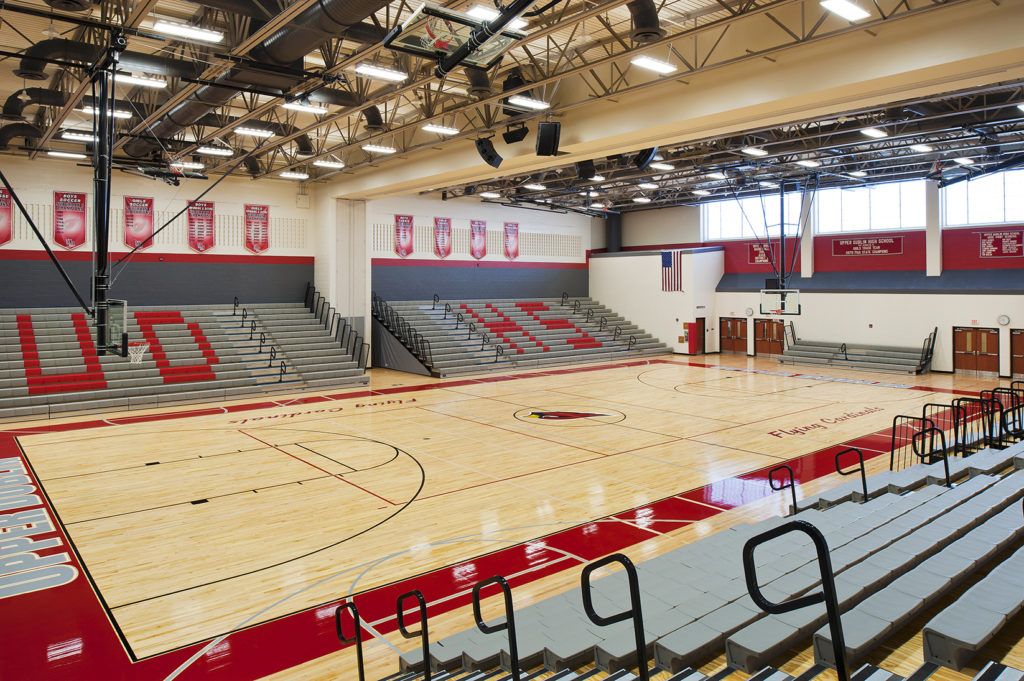
The locker room is the most visited space in any athletic facility. A football player spends more time in the locker room during a season than in any other single facility space — pre-game preparation, post-game recovery, daily meetings, and team-building activities all center on this environment. The furniture and locker systems specified for university athletic locker rooms directly affect athlete comfort, team culture, equipment security, and recruiting impression.
University athletic locker systems have evolved from open-pole-and-hook configurations to individual locker units that rival professional sports standards. The 2026 World Cup venues showcase locker systems designed for international teams — and universities are taking note.
Table 1: University Athletic Locker System Specifications
Locker Type | Dimensions (W×D×H) | Material | Ventilation | Power Integration | Price per Unit |
Standard Athletic Locker | 24"×24"×84" | Powder-coated steel | Passive (vents) | None | $800-$1,200 |
Upgraded Athletic Locker | 30"×24"×84" | Phenolic panels | Passive (vents) | USB outlet | $1,500-$2,500 |
Premium Athlete Locker | 36"×24"×84" | Solid wood or phenolic | Active (fan) | USB + AC outlet | $2,500-$4,500 |
Professional-Grade Locker | 42"×30"×84" | Solid wood + upholstery | Active (fan + deodorizer) | USB + AC + device dock | $4,000-$7,000 |
Team Room Modular Bench System | Per linear foot | Solid wood + cushion | Passive | Integrated USB along bench | $400-$800/ft |
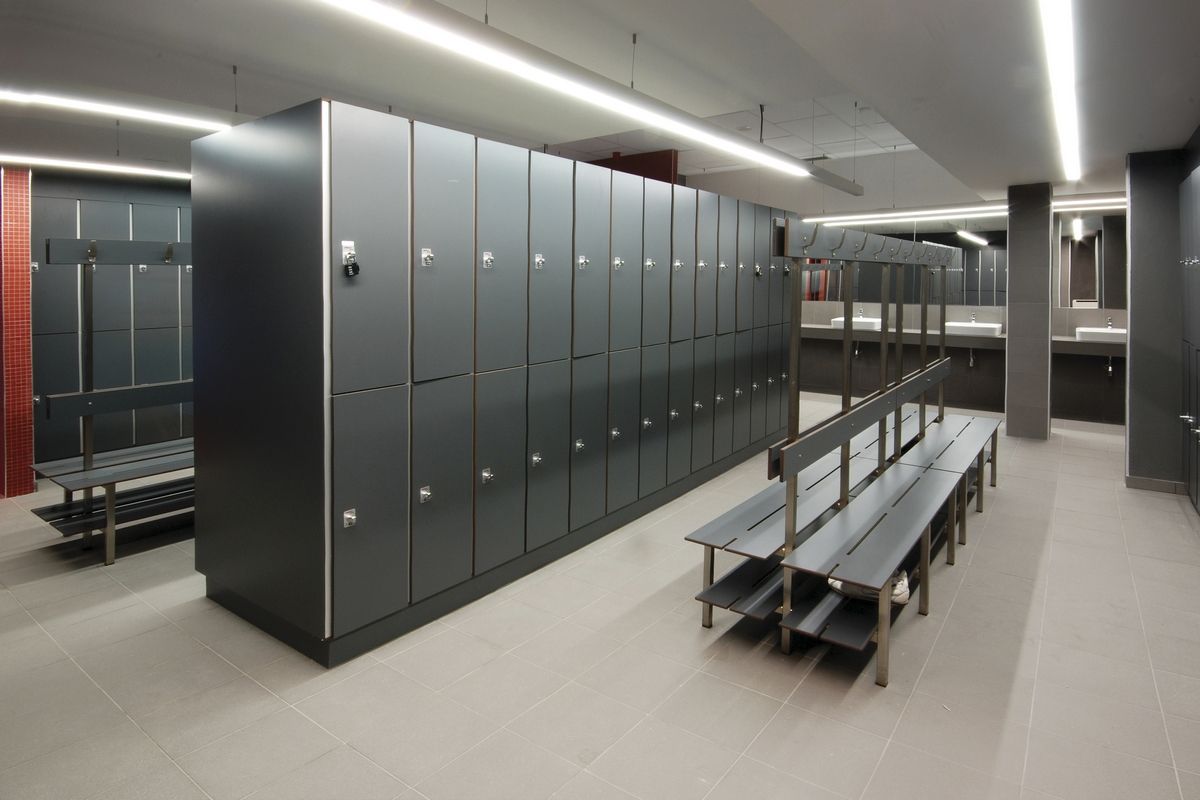
The premium athlete locker has become the standard for Division I football and basketball programs. These lockers provide full-width seating, integrated charging for devices, padded back and seat surfaces, and active ventilation that manages the odor and moisture inherent in athletic equipment storage. The jump from standard to premium represents a 3-4x cost increase per unit — but in a locker room with 120 football lockers, the total investment difference is $200,000-$400,000, which most major programs fund through capital campaigns rather than operating budgets.
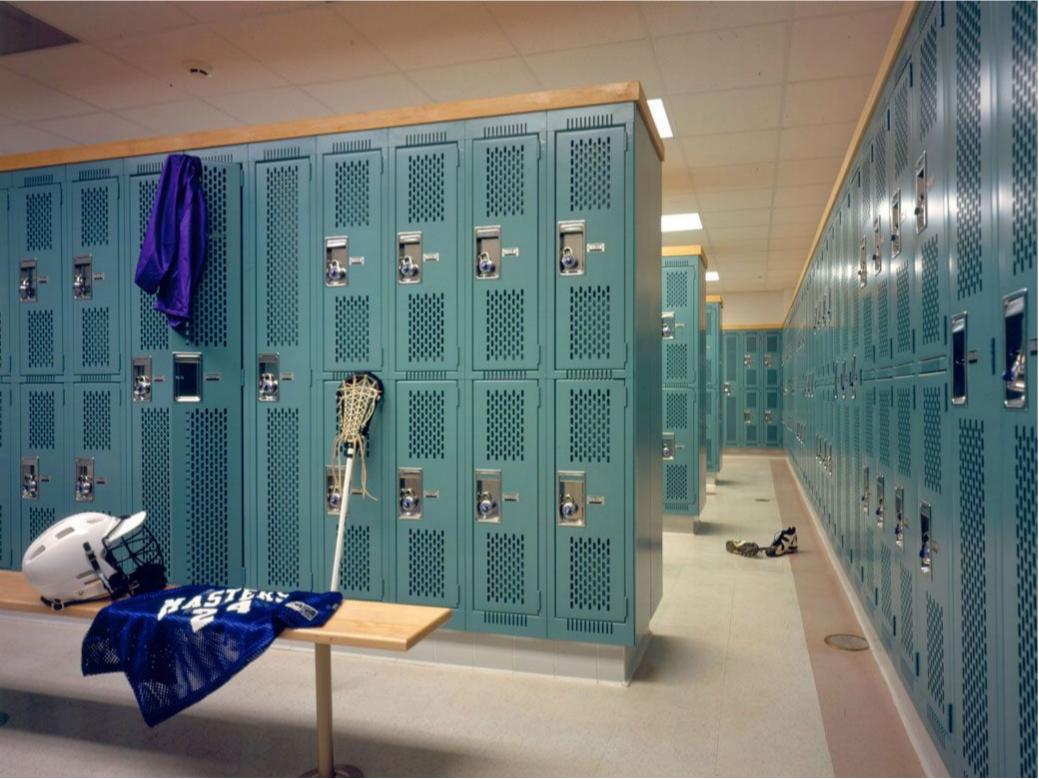
Table 2: Locker Room Bench and Seating Specifications
Furniture Type | Capacity | Material | Mounting | Sanitation | Price Range |
Fixed Bench (per linear foot) | 1 athlete per 24" | Solid teak or phenolic | Floor-mounted | Wipe-down; antimicrobial | $300-$600/ft |
Modular Bench (per section) | 3-4 athletes | Upholstered foam + wood frame | Freestanding | Replaceable covers; washable | $800-$1,500/section |
Team Meeting Bench | 8-10 athletes | Upholstered cushion + wood frame | Freestanding | Antimicrobial upholstery | $2,000-$4,000 |
Coach Office Seating | 1-3 individuals | Leather or executive upholstery | Freestanding | Standard commercial cleaning | $500-$2,000 |
[Link to: /athletic-locker-room-furniture.html]
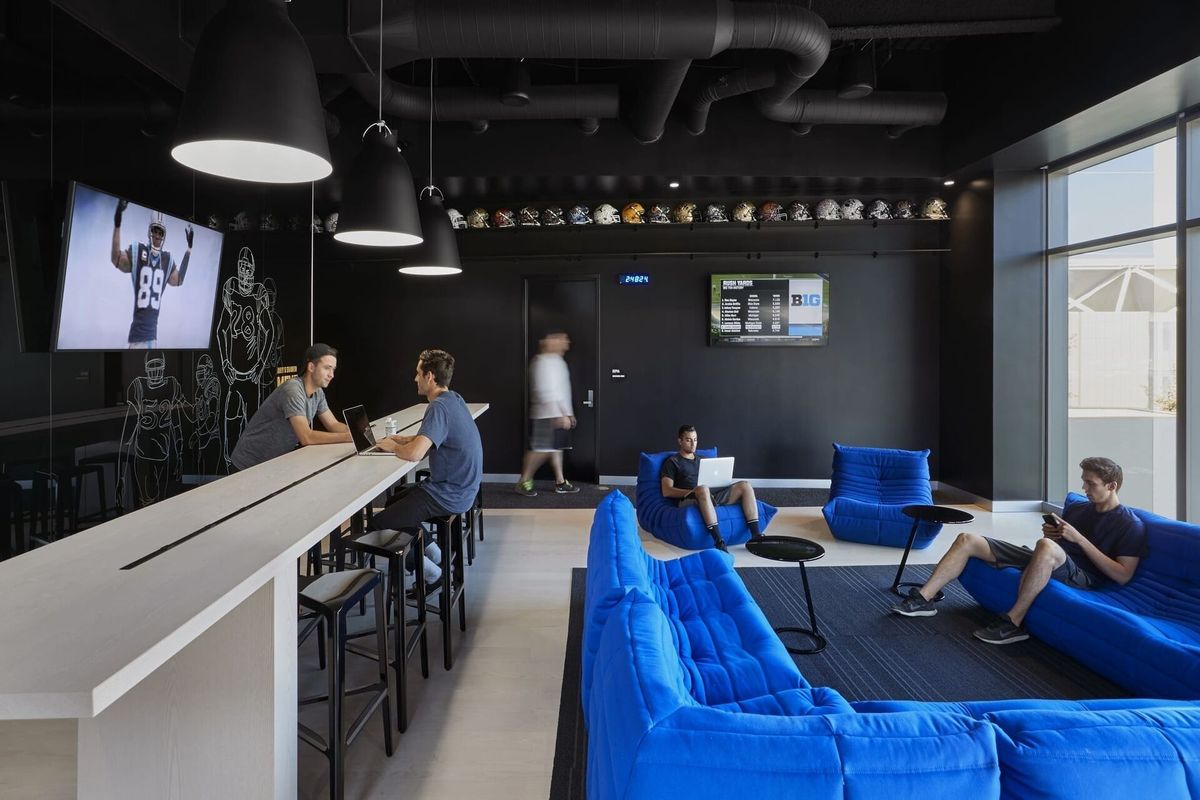
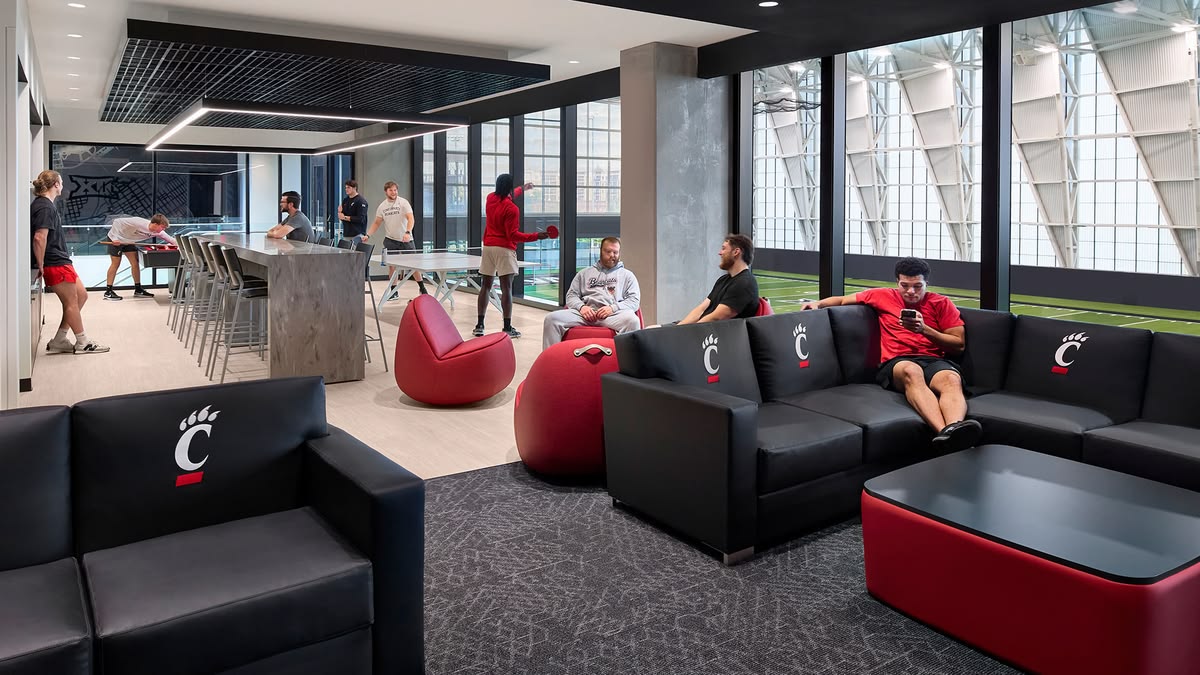
Modern university athletic departments recognize that student-athletes are students first. The athletic lounge — a space within the athletic facility dedicated to studying, socializing, and recovery between practice and competition — has become a recruiting differentiator and a retention tool. Programs that invest in dedicated academic spaces within athletic facilities reduce the friction between athletic and academic demands, improving both athlete performance and graduation rates.
The athletic lounge must serve three functions simultaneously: individual study, group collaboration, and relaxation. Furniture must transition between these modes without requiring reconfiguration by facility staff. Modular lounge seating, individual study desks, and collaborative tables should coexist within the same space, organized into zones by acoustic and visual separation rather than walls.
Table 3: Athletic Lounge Furniture Configuration by Zone
Zone | Furniture Required | Capacity | Dimensions | Acoustic Treatment | Power Integration |
Individual Study | Study carrels with task chairs | 8-12 individuals | 30"×24" per station | Acoustic panels between carrels | USB + AC per station |
Group Collaboration | Modular tables with task chairs | 4-6 per table (3-4 tables) | 72"×36" per table | None (collaborative noise expected) | USB + AC per table |
Quiet Reading | Lounge chairs with side tables | 6-8 individuals | 30"×30" per station | Acoustic panels; soft floor | USB per station |
Social/Recovery | Modular sectional + coffee tables | 8-10 individuals | Variable by room | Rugs; upholstered surfaces | USB at seating positions |
Device Charging Bar | Counter-height tables + stools | 6-8 individuals | 72"×24" counter | None | AC + USB strip along counter |
The device charging bar is a relatively recent addition to athletic lounges that addresses a practical need: student-athletes carry phones, tablets, and laptops throughout the day and need convenient charging access between classes and practice. A counter-height charging bar along one wall, equipped with AC and USB outlets every 18 inches, provides a functional workspace where athletes can charge devices while completing academic work or watching game film.
Athletic lounge furniture faces wear patterns that standard academic furniture does not. Athletes arrive directly from practice in sweat-soaked clothing, tracking moisture and dirt that standard upholstery absorbs and retains. The furniture must be specified with materials that handle this environment without degrading.
Table 4: Upholstery Material Performance in Athletic Lounge Environments
Material | Moisture Resistance | Stain Resistance | Durability (Double Rubs) | Maintenance Frequency | Lifespan |
Performance vinyl (commercial grade) | High | High | 100,000+ | Wipe daily; deep clean weekly | 8-10 years |
Antimicrobial polyurethane | High | High | 50,000+ | Wipe daily; disinfect weekly | 6-8 years |
Commercial fabric (solution-dyed) | Moderate | Moderate | 50,000-75,000 | Vacuum weekly; spot clean | 5-7 years |
Leather (full-grain, treated) | Moderate | High | 30,000+ | Wipe weekly; condition quarterly | 10-12 years |
Mesh (breathable) | High | Low | 60,000+ | Vacuum weekly | 5-7 years |
Performance vinyl remains the practical choice for athletic lounge seating that will be used by athletes in post-practice condition. Its non-porous surface handles sweat, sports drinks, and post-workout snacks without absorbing odors or staining. The trade-off is comfort — performance vinyl does not breathe as well as fabric or mesh, making it less comfortable for extended sitting. A hybrid approach uses performance vinyl on high-contact zones (seat, back) and breathable mesh on non-contact zones (headrest, sides) to balance durability and comfort.
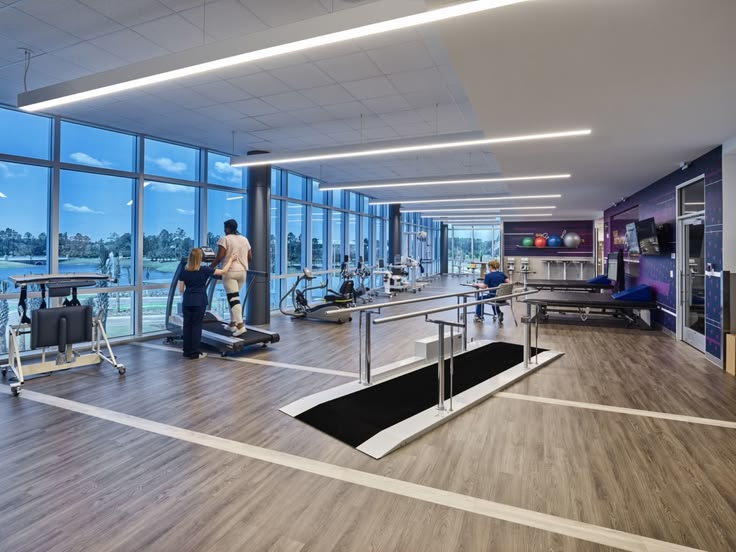
The sports medicine room is where athletic trainers treat injuries, manage rehabilitation, and prepare athletes for competition. It is the most clinically demanding space in an athletic facility, and its furniture must meet standards that approach healthcare environments while fitting within an athletic department's budget and space constraints.
Table 5: Sports Medicine Treatment Table Specifications
Table Type | Height Range | Load Capacity | Surface Material | Storage | Price Range |
Standard Treatment Table | Fixed 32" | 250 lbs | Vinyl upholstery | None | $800-$1,500 |
Adjustable Treatment Table | 24-34" (electric) | 350 lbs | Antimicrobial vinyl | Side drawers | $2,000-$4,000 |
Athletic Training Table | 24-36" (electric) | 450 lbs | Antimicrobial polyurethane | Under-table cabinet | $3,500-$6,000 |
Taping Table | Fixed 36" | 300 lbs | Vinyl; rounded corners | Open shelving below | $1,200-$2,500 |
Rehabilitation Table | 22-40" (electric) | 500 lbs | Antimicrobial polyurethane | Full cabinetry | $5,000-$8,000 |
The athletic training table with electric height adjustment is the workhorse of a university sports medicine room. The 24-36 inch height range accommodates both seated athlete assessment and standing therapist treatment positions, reducing the back strain that fixed-height tables impose on athletic trainers who treat athletes for hours each day. The antimicrobial polyurethane surface handles the disinfection protocols required between athletes, and the 450-pound load capacity accommodates the full range of athlete body types in collegiate sports — from 175-pound cross-country runners to 320-pound linemen.
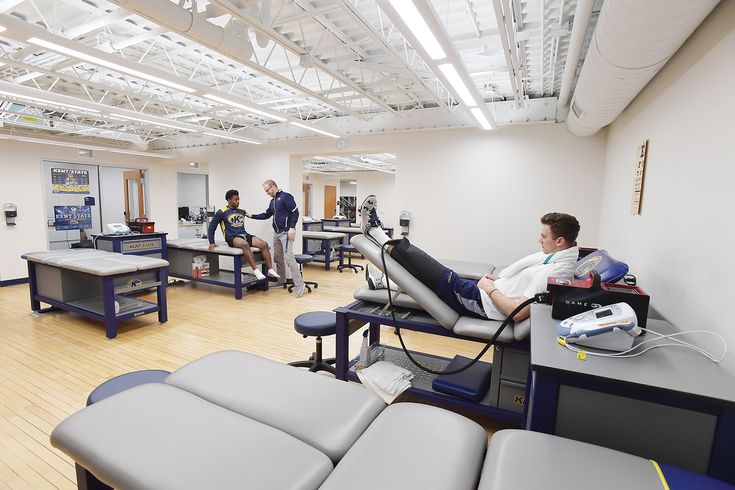
Table 6: Sports Medicine Room Rehabilitation Furniture Checklist
Equipment | Purpose | Required Quantity (per 100 athletes) | Space Required | Budget Allocation |
Treatment table (adjustable) | Injury assessment; treatment | 3-4 | 40 sq ft each | 30% of furniture budget |
Taping table | Pre-practice taping | 2-3 | 25 sq ft each | 15% of furniture budget |
Ice machine station | Ice bag preparation | 1 | 20 sq ft | 10% of furniture budget |
Hydrotherapy plinth | Water-based treatment | 1-2 | 60 sq ft each | 15% of furniture budget |
Rehabilitation mat | Floor exercises | 2-3 | 30 sq ft each | 5% of furniture budget |
Storage cabinet (medical) | Supply organization | 2-3 | 15 sq ft each | 10% of furniture budget |
Seating (athlete waiting) | Pre-treatment seating | 4-6 chairs | 5 sq ft each | 5% of furniture budget |
Workstation (athletic trainer) | Documentation | 1-2 | 25 sq ft each | 10% of furniture budget |
[Link to: /sports-medicine-room-furniture.html]
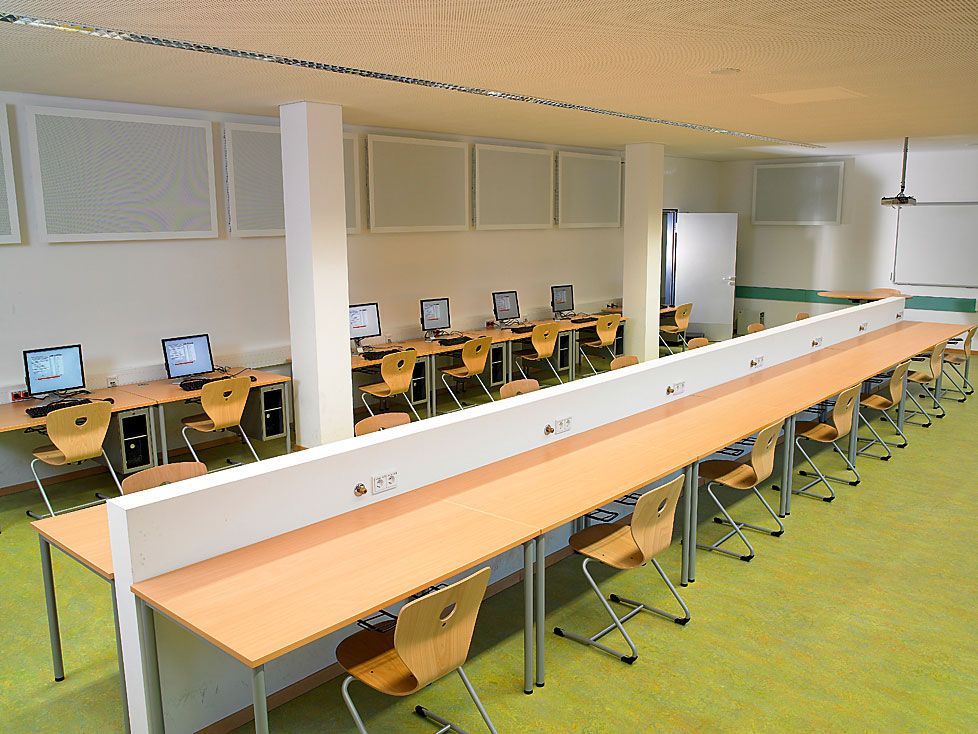
Student-athletes face a unique academic challenge: their class schedules are constrained by practice, competition, and travel, leaving study time concentrated in narrow windows between athletic commitments. The furniture in student-athlete study spaces must support focused, efficient study within these compressed timeframes. This is not the same as general campus library furniture — the requirements are more specific and the furniture must perform under different conditions.
Student-athlete study desks should be sized for laptop-based work with room for a textbook and notes alongside the device. The desk surface should be at least 30 inches deep to provide adequate distance between the seated athlete and a laptop screen, reducing eye strain during the intensive study sessions that compressed schedules demand.
Table 7: Student-Athlete Study Desk Specifications
Desk Type | Dimensions (W×D×H) | Material | Power Integration | Ergonomic Feature | Price Range |
Individual Study Carrel | 36"×30"×30" | Laminate; acoustic side panels | USB + AC outlet | Task lighting integrated | $800-$1,500 |
Collaborative Study Table | 72"×36"×30" | Laminate or solid wood | USB strip + 4 AC outlets | Cable management trough | $1,200-$2,500 |
Adjustable-Height Desk | 48"×30"×24-50" | Laminate; steel frame | USB + AC outlet | Electric height adjustment | $1,500-$3,000 |
Study Pod (enclosed) | 48"×36"×72" | Laminate; acoustic panels | USB + AC + lighting | Full acoustic enclosure | $2,500-$5,000 |
Standing Study Counter | 60"×24"×42" | Solid surface | USB strip | Counter-height for standing study | $1,000-$2,000 |
The study pod — an enclosed workstation with acoustic panels on three sides and overhead — is gaining traction in student-athlete academic centers. These pods create a focused study environment within a shared space, allowing athletes to enter a state of deep concentration even when the study center is busy. The acoustic enclosure blocks the visual and auditory distractions that disrupt the kind of focused study that compressed schedules require.
The World Cup 2026 tournament creates an opportunity for universities to activate viewing spaces that build community around shared sporting events. Campus viewing areas — student union lounges, residence hall common rooms, and outdoor viewing setups — should be furnished to accommodate groups of 20-100 students watching matches together. These spaces serve double duty: during the World Cup, they host match viewing; after the tournament, they function as general social and event spaces.
Table 8: Campus Viewing Area Furniture Configuration
Viewing Space | Capacity | Primary Furniture | Screen Size | Layout Strategy |
Student Union Lounge | 30-50 students | Modular sectionals + ottomans | 85-100 inch | Tiered seating; clear sightlines |
Residence Hall Common Room | 20-30 students | Loveseats + armchairs + floor seating | 75-85 inch | U-shaped around screen |
Outdoor Viewing Patio | 50-100 students | Outdoor modular seating + standing tables | Projection screen | Multiple viewing angles |
Athletic Facility Lobby | 20-30 students | Lounge seating + counter tables | 75 inch on media wall | Dual-purpose; converts to social |
Library Viewing Corner | 15-25 students | Study chairs with tablet arms | 65 inch on wall | Quiet viewing; individual seating |
The outdoor viewing patio is the most versatile campus viewing space. During the World Cup, it hosts afternoon matches with food truck service and outdoor sound. After the tournament, the same space serves as an outdoor study area, event venue, and informal gathering space. The furniture must be outdoor-rated (powder-coated aluminum, HDPE wicker, or treated wood with quick-dry cushions) to justify the investment across both viewing and year-round use.
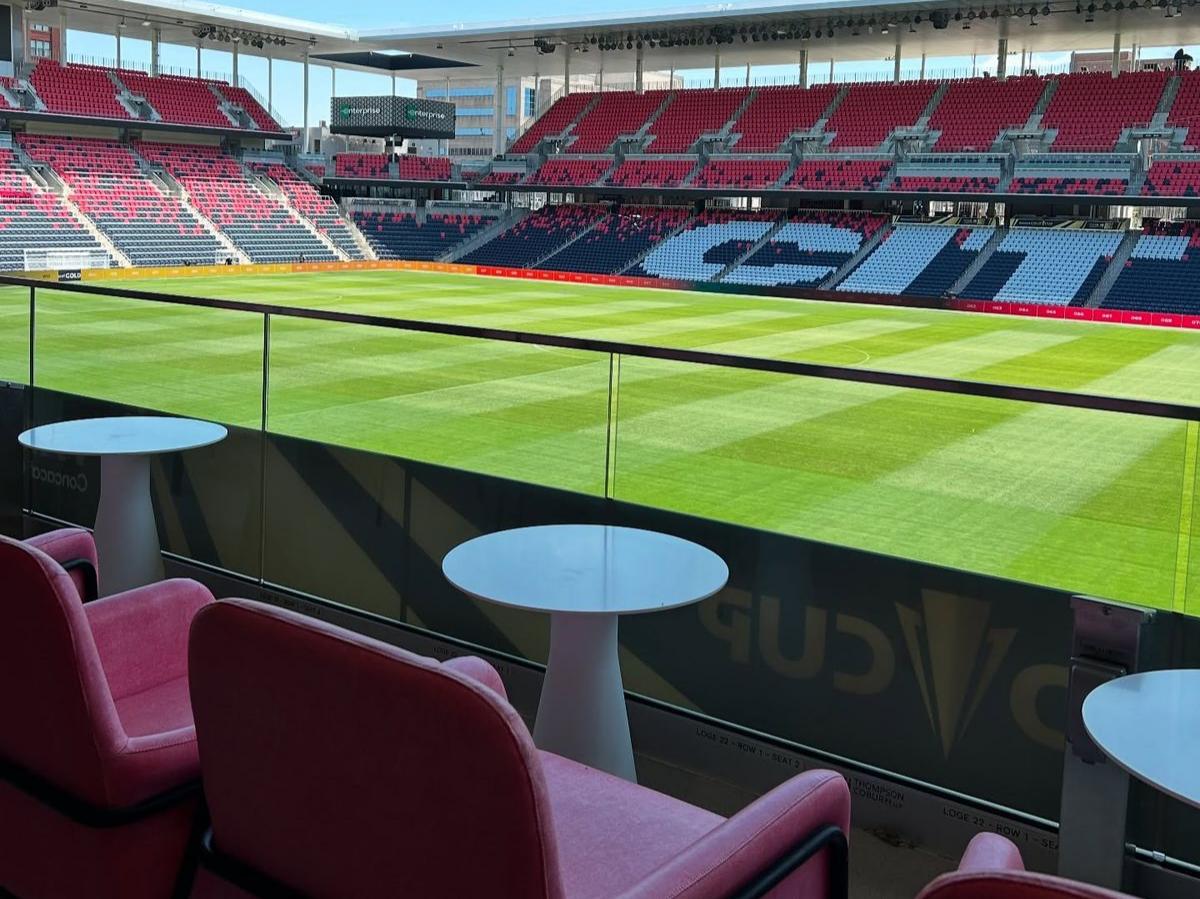
University athletic departments considering furniture upgrades in conjunction with World Cup 2026 momentum should plan budgets across multiple facility zones. The following breakdown reflects typical investment ranges for a mid-sized Division I program upgrading furniture across its primary athletic facilities.
Table 9: Furniture Upgrade Budget Breakdown for University Athletic Facilities
Facility Zone | Budget Range | Percentage of Total | Key Items | Expected Lifespan |
Locker Room (120 athletes) | $300,000-$600,000 | 35% | Premium lockers, benches, team meeting seating | 15-20 years |
Athletic Lounge | $75,000-$150,000 | 10% | Modular seating, study desks, charging bar | 8-10 years |
Sports Medicine Room | $100,000-$200,000 | 12% | Treatment tables, taping tables, rehab furniture | 10-12 years |
Student-Athlete Study Center | $60,000-$120,000 | 7% | Study carrels, collaborative tables, study pods | 10 years |
Campus Viewing Areas | $40,000-$80,000 | 5% | Lounge seating, media furniture, outdoor seating | 8-10 years |
Coach and Staff Offices | $50,000-$100,000 | 6% | Desks, executive seating, conference tables | 12-15 years |
Weight Room Seating | $30,000-$60,000 | 4% | Benches, stretching stations, storage | 8-10 years |
Corridor and Lobby Furniture | $40,000-$80,000 | 5% | Lobby seating, display cases, signage | 10-12 years |
Total Range | $695,000-$1,390,000 | 100% | — | — |
The locker room consistently represents the largest single furniture investment in university athletic facility upgrades — typically 30-40% of total furniture budget. This reflects both the per-unit cost of premium athletic lockers ($2,500-$4,500 each) and the quantity required for a full football or basketball program. Programs that spread furniture investment across multiple fiscal years often begin with locker room upgrades (highest recruiting impact per dollar) and phase in lounge, study, and medical room furniture in subsequent years.

Use this checklist to evaluate furniture specifications during the procurement process for university sports facility upgrades.
Table 10: University Sports Facility Furniture Design Checklist
Evaluation Category | Criteria | Verification Method |
Athlete Scale | Furniture accommodates 95th percentile male athlete (6'5", 300 lbs) | Physical testing with representative athlete |
Durability | Upholstery rated 50,000+ double rubs (Martindale); frames warranted 10+ years | Manufacturer specification review |
Moisture Resistance | Surfaces tolerate post-practice athlete contact without absorption | Material sample testing |
Antimicrobial | Treatment embedded in material (not surface coating) | Manufacturer certification |
Power Integration | USB + AC outlets at each seating/study position | Electrical plan review |
Modularity | Seating reconfigures without tools; 1-person operation | Physical demonstration |
Accessibility | ADA-compliant workstations and seating in all zones | ADA standards cross-check |
Maintenance | Replaceable covers; standard cleaning product compatibility | Maintenance protocol review |
Acoustic Performance | Study zones achieve NC 35-40 background noise level | Acoustic engineering review |
Recyclability | Materials recyclable at end-of-life; manufacturer take-back program | Environmental certification review |
Q1: How much should a university budget for athletic locker room furniture upgrades?
A Division I football locker room with 120 premium athlete lockers typically requires $300,000-$540,000 for the locker units alone, plus $50,000-$100,000 for team meeting benches and seating. For mid-major programs or non-football sports, standard athletic lockers at $800-$1,200 per unit reduce the total to $48,000-$96,000 for a 60-locker room. The budget should also include installation (10-15% of furniture cost), electrical integration for powered lockers ($15,000-$30,000), and a 10% contingency for customization and field modifications. Programs that try to reduce cost by selecting lower-spec lockers often face replacement within 5-7 years rather than the 15-20 year lifespan of premium systems — a false economy that costs more over the facility's lifecycle.
Q2: What furniture specifications are most important for student-athlete study spaces?
The three most critical specifications are power integration, acoustic separation, and ergonomic adjustability. Every study position must have accessible power (USB + AC) because student-athletes rely on laptops and tablets for coursework compressed into narrow time windows. Acoustic separation — through study carrels with side panels or enclosed study pods — allows focused study in shared spaces, which is essential when study time is limited. Ergonomic adjustability, particularly adjustable-height desks, accommodates the range of athlete body types that standard fixed-height desks cannot serve. A 6'5" basketball player and a 5'2" gymnast cannot use the same fixed-height desk comfortably — adjustable-height furniture solves this without requiring separate facilities.
Q3: How can universities justify the cost of premium athletic furniture to donors and administrators?
The justification framework rests on three pillars. First, recruiting impact — premium facilities are a recruiting differentiator that affects the quality of athletes a program can attract, which directly affects competitive performance and revenue. Second, retention and academic performance — well-designed study and recovery spaces improve athlete retention and graduation rates, which are metrics that administrators and accreditation bodies track. Third, lifecycle cost — premium furniture specified to institutional standards lasts 15-20 years, while lower-spec furniture requires replacement every 5-7 years, making the premium option less expensive on a per-year basis. Donors respond particularly well to the recruiting argument because it connects furniture investment directly to athletic success, which is the outcome most donors value.
Q4: What are the key differences between sports medicine room furniture and standard medical furniture?
Sports medicine room furniture prioritizes three things that standard medical furniture does not: athlete body scale, rapid turnover, and sports-specific treatment configurations. Athletes are larger and more muscular than the general patient population — treatment tables must support 450+ pound load capacities and wider surfaces to accommodate lineman-sized athletes. Turnover is faster — an athletic trainer may treat 15-20 athletes in a 2-hour pre-practice window, requiring furniture that can be cleaned and reset in under 2 minutes. And sports-specific configurations (taping tables at standing height, rehabilitation mats with attached resistance band anchors, ice machine stations with adjacent seating) are unique to athletic environments and not available in standard medical furniture lines. Universities should specify furniture from manufacturers who understand athletic training environments rather than adapting standard medical furniture to athletic use.
Q5: How long does the furniture procurement process take for a university athletic facility upgrade?
A typical university athletic furniture procurement follows this timeline: needs assessment and specification development (2-3 months), RFP issuance and vendor evaluation (2-3 months), board approval and contract finalization (1-2 months), manufacturing lead time (3-6 months for custom athletic lockers), and installation (1-2 months). Total elapsed time from project initiation to furniture in place: 9-16 months. Universities planning furniture upgrades to coincide with the World Cup 2026 momentum should begin the specification process at least 12 months before their target completion date. Programs that wait until the fiscal year budget is approved to begin specification work typically miss their intended installation window by 6-12 months.
Hongye Furniture Group is a leading Chinese commercial furniture manufacturer with 7 independent websites serving global markets. The group's education furniture division (hyeducationfurniture.com) specializes in furniture for K-12 schools, universities, libraries, and athletic facilities. With over two decades of manufacturing experience, Hongye Furniture Group combines educational design expertise with institutional-grade production capabilities to deliver furniture that meets the durability, accessibility, and performance standards required by educational environments. The group manufactures a full range of athletic facility furniture including locker systems, treatment tables, study furniture, and lounge seating designed to withstand the demanding conditions of university sports environments.
Planning a university sports facility furniture upgrade? Contact Hongye's education furniture specialists to discuss athletic locker systems, sports medicine room furniture, student-athlete study furniture, and campus viewing area solutions designed for the performance standards of modern university athletic programs. [Link to: /contact.html] to request a product consultation and specification review.


 English

