


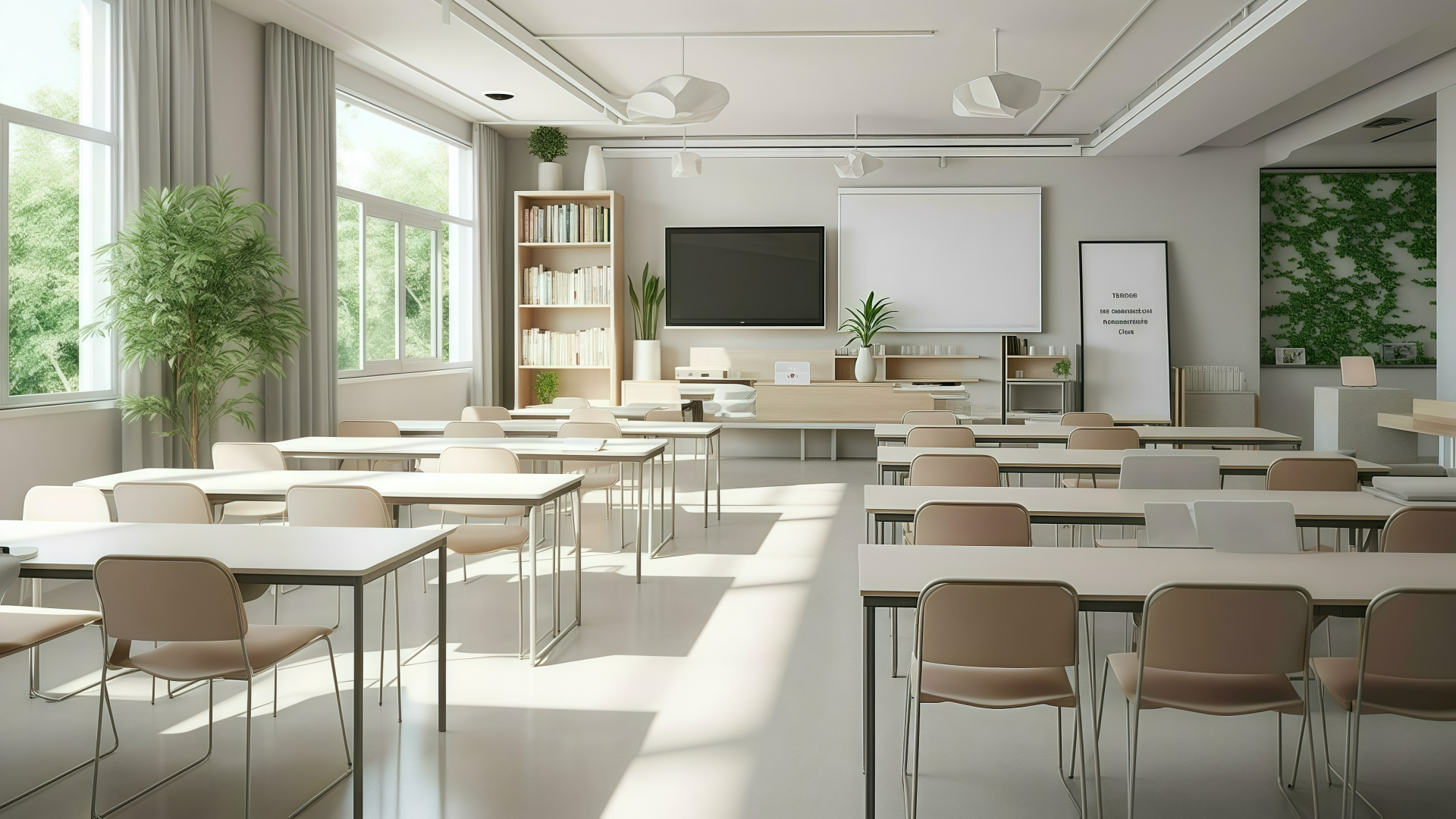
What transforms a simple classroom desk into a symbol of educational philosophy that has shaped learning environments for nearly a century? The answer lies in understanding the extraordinary story behind the C-Shaped Desk, a revolutionary design that emerged from German New Objectivity principles in the mid-20th century to become the ultimate embodiment of space-saving efficiency and integrated storage solutions in modern educational settings.
When the renowned German furniture manufacturer VS (Vereinigte Spezialmöbelfabriken) collaborated with progressive designers to create the C-Shaped Desk under the influence of New Objectivity educational philosophy, they didn't just manufacture furniture—they revolutionized how classrooms function through systematic organization and ergonomic efficiency. This curved steel frame construction with its innovative LIGNOdur melamine tabletop didn't simply provide workspace; it launched an entire era of educational furniture design that continues to influence learning environments worldwide.
The story we're about to unfold reveals how a desk designed with German precision became essential for modern education, why its revolutionary C-frame storage system and stackable design continue to command respect in today's market, and how understanding its legacy can transform your next educational project from chaotic to systematically organized. From progressive schools to cutting-edge learning environments worldwide, the C-Shaped Desk's journey from post-war innovation to classroom standard demonstrates the power of thoughtful design in creating environments that truly support learning through spatial efficiency and functional integration.
The C-Shaped Desk's origin story begins with one of the most influential design movements of the 20th century—the New Objectivity (Neue Sachlichkeit) philosophy that emerged in Germany during the 1920s and 1930s. When VS furniture company began developing educational furniture solutions in the post-war period, they faced unprecedented challenges: creating furniture that could support the evolving needs of modern education while embodying the rationalist principles that rejected unnecessary ornamentation in favor of pure functionality.
New Objectivity's core tenets fundamentally shaped the C-Shaped Desk's development: emphasis on rational design, functional efficiency, and structural clarity that eliminated decorative elements while maximizing practical utility. This philosophy, also known as Neues Bauen (New Building), demanded that every design element serve a specific purpose, leading to the desk's distinctive C-frame construction that simultaneously provided structural support and integrated storage solutions.
The desk's most revolutionary feature—its C-shaped steel frame—represented a complete departure from traditional classroom furniture design. Before this innovation, most educational desks relied on four-leg constructions that created visual clutter and limited flexibility. The curved steel support system created a semi-enclosed storage cavity beneath the desktop, allowing students to organize their materials systematically while maintaining clean sight lines across the classroom.
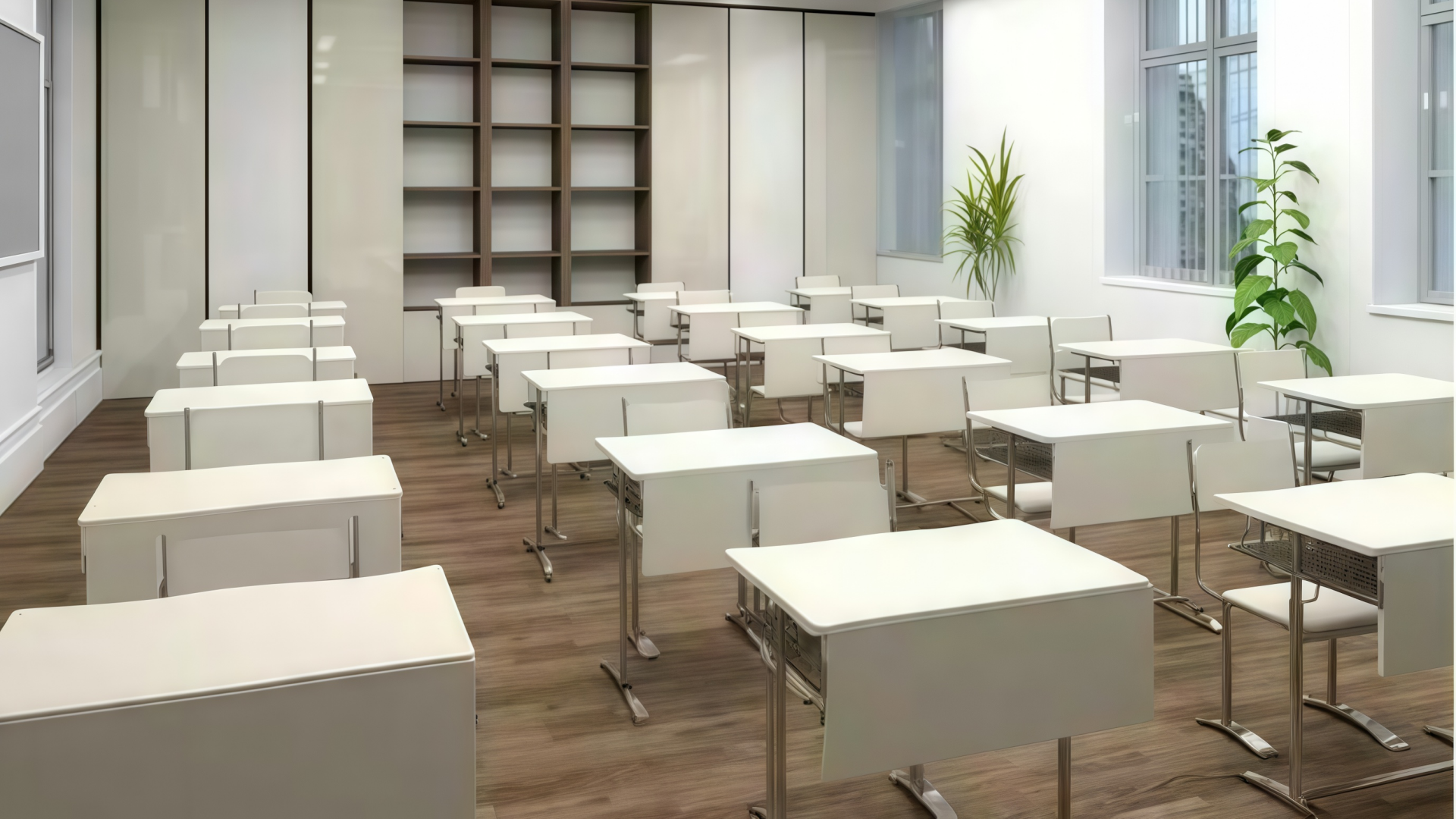
C-Shaped Desk Development Timeline and Educational Impact
| Year | Design Innovation | Educational Philosophy | Global Influence |
1920s | New Objectivity principles established | Rationalist educational approaches | German design leadership |
1940s | Post-war reconstruction demands | Efficiency-focused learning environments | European furniture standards |
1950s | C-frame construction perfected | Systematic classroom organization | International adoption |
1960s | LIGNOdur surface technology introduced | Durability meets functionality | Global educational markets |
1970s-Present | Stackable design refinements | Flexible learning spaces | Modern classroom standards |
Five critical innovations defined the C-Shaped Desk's revolutionary approach to educational furniture: its integrated storage system that eliminated desktop clutter through strategic material organization, the space-efficient frame design that maximized classroom floor area while maintaining structural integrity, the stackable construction that enabled rapid classroom reconfiguration and efficient storage, the ergonomic proportions that supported proper posture during extended learning sessions, and the standardized manufacturing that made quality design accessible to educational institutions worldwide.
The educational validation came through comprehensive furniture programs in progressive German schools, where teachers reported measurable improvements in classroom organization and student focus. Unlike traditional desks that often became cluttered with loose materials, the C-frame storage cavity provided dedicated space for books, supplies, and personal items, creating the systematic order that New Objectivity philosophy demanded.
International recognition began when educational administrators and designers encountered the C-Shaped Desk at furniture exhibitions and educational conferences. The desk's ability to support both individual study and collaborative learning made it particularly valuable for progressive educational approaches that emphasized student-centered learning and active engagement with materials and peers.
The C-Shaped Desk's enduring influence on educational furniture stems from its groundbreaking construction methodology, which pioneered materials science and manufacturing techniques that remain sophisticated in today's classroom design. Understanding these technical innovations is crucial for interior designers and contractors who specify premium furniture for educational projects, as the construction excellence directly impacts both performance expectations and long-term value in demanding institutional environments.
The desk's most distinctive feature lies in its C-shaped steel frame construction, which represented a complete departure from traditional furniture manufacturing prevalent in mid-20th century educational settings. Before this innovation, classroom desks provided rigid, four-leg support systems that offered limited storage integration and created visual obstacles to classroom flow. The curved steel frame created both structural support and functional storage while maintaining the clean, uncluttered aesthetic that New Objectivity principles demanded.
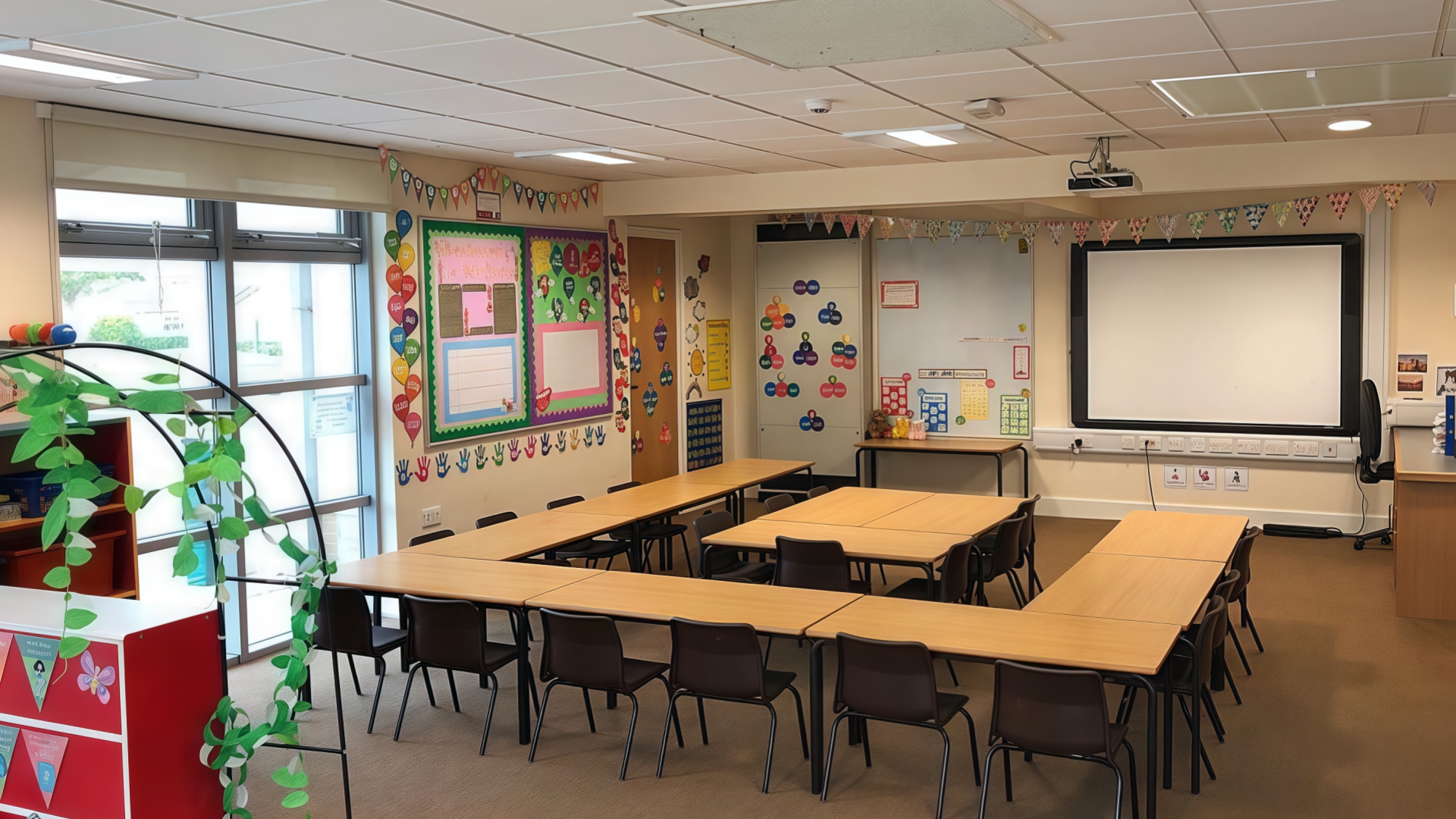
C-Shaped Desk Construction Specifications and Performance Standards
| Component | Material Technology | Manufacturing Process | Educational Benefits |
Frame Structure | Cold-rolled steel tubing | Precision bending and welding | Maximum strength-to-weight ratio |
C-Frame Cavity | Integrated storage well | Curved forming techniques | Organized material management |
Desktop Surface | LIGNOdur melamine resin | High-pressure lamination | Chemical resistance, easy cleaning |
Edge Treatment | Thermofused PVC banding | Heat-sealed application | Safety and durability |
Stacking System | Engineered nesting points | Precision tolerance manufacturing | Space-saving storage efficiency |
The LIGNOdur tabletop technology represents perhaps the most significant materials innovation in the C-Shaped Desk's construction. Introduced by VS in 1965, this revolutionary surface treatment involved applying melamine resin to environmentally-friendly recycled particleboard, creating a work surface with exceptional wear resistance, moisture protection, and chemical resistance that could withstand the demanding daily use typical of educational environments.
Manufacturing precision required specialized techniques that combined traditional metalworking with cutting-edge plastics technology. The C-frame construction demanded precise steel bending to create the characteristic curves while maintaining structural integrity under varied loading conditions. Each frame underwent powder coating processes that provided both aesthetic appeal and long-term durability in institutional settings.
Quality control measures implemented during production included multiple testing phases that ensure each component meets demanding educational standards. The steel frame undergoes stress testing to verify its ability to support both static loads and dynamic forces created by student movement. The LIGNOdur surface receives abrasion resistance testing to guarantee performance throughout the desk's service life.
The stackable design integration built into the desk's construction reflects sophisticated understanding of educational space management. The nesting geometry allows multiple desks to stack compactly for storage while maintaining easy access for setup and breakdown. This feature becomes particularly valuable in multipurpose educational spaces where furniture must adapt to changing programmatic requirements.
Commercial applications of this construction technology make the C-Shaped Desk particularly suitable for educational environments where both durability and organizational efficiency are paramount. The integrated storage system reduces classroom clutter while supporting the systematic approaches to learning that modern pedagogy demands.
For educational specifications, understanding these construction details helps justify the desk's premium positioning while ensuring appropriate application for intended learning environments. The desk's systematic design makes it particularly valuable for institutions committed to creating organized, efficient learning spaces where furniture serves both functional and pedagogical purposes.
The C-Shaped Desk's evolution from post-war innovation to essential classroom management tool reflects its remarkable effectiveness across educational environments where systematic organization and space efficiency directly impact learning outcomes. For interior designers and contractors serving today's demanding educational market, understanding how to strategically deploy this iconic piece requires knowledge of its unique ability to transform chaotic classrooms into organized, productive learning environments.

In elementary education applications, the C-Shaped Desk serves as both functional workspace and organizational system that supports young learners' developing study habits and classroom behavior. Primary educators recognize that traditional flat desks often become cluttered with loose materials that distract from learning focus. The desk's integrated C-frame storage allows teachers to implement systematic organization strategies that help students maintain clean work surfaces while keeping necessary materials easily accessible.
Secondary and higher education environments leverage the desk's unique combination of storage efficiency and stackable design to create impressive learning spaces where academic rigor meets practical organization. The space-saving characteristics ensure that classrooms can accommodate maximum student capacity without sacrificing individual workspace quality, while the systematic storage supports the increasing material requirements of advanced coursework.
Educational Space Applications and Organizational Benefits
| Environment Type | Typical Configuration | Primary Benefit | Measurable Impact |
Elementary Classrooms | Individual student stations | Systematic organization development | Improved focus, reduced distractions |
Secondary Laboratories | Flexible workshop arrangements | Efficient material management | Enhanced safety, better workflow |
University Lecture Halls | High-density seating arrangements | Maximum space utilization | Increased capacity, maintained comfort |
Multi-Purpose Learning Spaces | Rapid reconfiguration capability | Flexible programming support | Efficient space usage, cost effectiveness |
Special Education Environments | Adapted organizational systems | Customized storage solutions | Better inclusion, reduced barriers |
Real-world case studies demonstrate the desk's effectiveness across diverse educational applications. Progressive European schools that implemented comprehensive C-Shaped Desk programs reported measurable improvements in classroom organization and student engagement. Teachers observed that students could maintain focus for longer periods when their workspace remained systematically organized, with the integrated storage preventing the accumulation of distracting clutter.
Science education programs have discovered the desk's particular effectiveness for supporting laboratory work that requires systematic organization of materials and equipment. Technical schools and STEM programs use the C-frame storage to organize specialized tools and materials, while the stackable design allows rapid conversion between lecture and laboratory configurations.
International education systems have embraced the C-Shaped Desk as part of comprehensive approaches to educational efficiency and systematic learning. Scandinavian schools and German educational institutions specify these desks as part of holistic strategies to support student achievement through thoughtful environmental design that prioritizes functional organization over decorative elements.
Teacher feedback consistently highlights the desk's contribution to classroom management effectiveness. When students can maintain organized workspaces through the systematic storage provided by the C-frame design, teachers can focus on instruction rather than addressing organization-related disruptions or material management issues.
Administrative advantages include simplified procurement and maintenance processes, as the desk's standardized construction and proven durability reduce replacement frequency and repair requirements. The furniture's timeless design prevents obsolescence issues that plague trendy alternatives, ensuring long-term relevance regardless of changing educational fashions.
Integration with modern technology presents opportunities for C-Shaped Desks to support contemporary educational practices while maintaining their essential organizational benefits. Many installations include cable management systems and device storage solutions that coordinate with the desk's systematic design to create comprehensive learning environments.
The C-Shaped Desk's role as both educational tool and strategic investment creates unique value propositions that extend far beyond traditional furniture purchasing decisions. Understanding these comprehensive benefits helps interior designers and contractors present compelling business cases for educational and institutional clients while positioning themselves as strategic advisors who appreciate both immediate functionality and long-term educational outcomes.
Market positioning analysis reveals that C-Shaped Desks occupy a distinct segment between standard classroom furniture and specialized organizational systems, commanding premium pricing while delivering measurable educational and efficiency benefits. Unlike conventional static desks that often impede systematic organization, the desk's integrated storage design actively supports student success through superior workspace management and systematic material organization.
The desk's educational value proposition provides measurable returns through enhanced student organization, improved classroom management, and reduced disruptions to learning. Research in progressive educational environments demonstrates strong correlations between systematic workspace design and improved student performance, with the C-Shaped Desk's organizational features particularly effective for maintaining engagement during extended learning activities.
C-Shaped Desk Educational and Commercial Value Analysis
| Value Category | Educational Institution | Corporate Training Environment | Long-term ROI |
Organizational Efficiency | 40-60% reduction in classroom disruptions | 30-50% improved training focus | Enhanced productivity metrics |
Space Utilization | 25-35% increased classroom capacity | 20-30% better room flexibility | Reduced facility costs |
Durability Performance | 20-25 year service life expectancy | Minimal maintenance requirements | Superior total cost of ownership |
Systematic Benefits | Improved student achievement scores | Enhanced corporate learning outcomes | Measurable performance gains |
Storage Integration | Eliminated desktop clutter | Organized material management | Reduced operational complexity |
Total cost of ownership analysis reveals that C-Shaped Desk investments often provide superior long-term value compared to conventional classroom furniture alternatives. While initial costs may exceed basic options, the combination of extended durability, systematic organization benefits, and space efficiency creates favorable financial equations for quality-focused educational institutions.
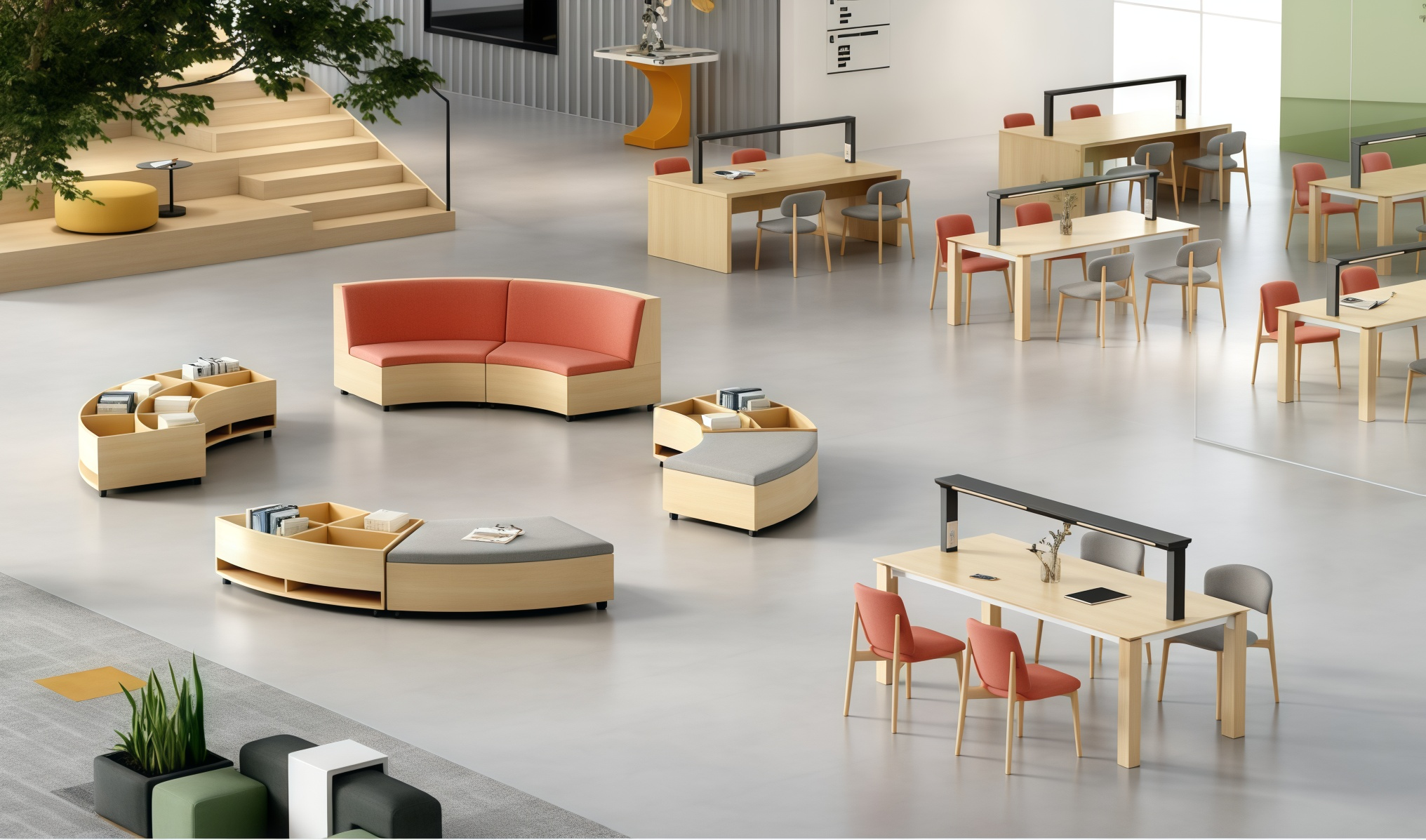
Academic performance benefits emerge from the desk's ability to support systematic learning habits and reduce cognitive distractions that interfere with educational focus. The integrated storage system and organized workspace design help students maintain optimal study conditions during extended learning sessions, while the desk's aesthetic quality contributes to learning environments that communicate institutional excellence.
Five major educational benefits justify C-Shaped Desk investments beyond simple workspace provision: enhanced student organization through systematic storage that reduces learning barriers, improved classroom management through furniture that supports orderly environments, increased space efficiency through stackable design that maximizes educational facility utilization, strengthened institutional reputation through association with systematic excellence and thoughtful design, and long-term cost effectiveness through furniture that maintains functionality and appearance across multiple student generations.
Faculty satisfaction metrics demonstrate additional benefits in educational environments where C-Shaped Desks support teaching effectiveness. Educators report improved classroom dynamics when students maintain organized workspaces, with fewer disruptions related to material management and better overall student engagement with learning activities.
Comparative analysis with alternative desk designs reveals the C-Shaped Desk's superior performance in key areas essential to educational success. While other furniture may offer lower initial costs, the systematic organization, space efficiency, and durability of C-Shaped Desks provide measurable advantages that justify premium investment for quality-focused institutions.
Market trends indicate growing demand for furniture that actively supports educational outcomes through systematic design rather than simply providing basic functionality. Educational institutions increasingly recognize that environmental factors significantly impact learning effectiveness, with the C-Shaped Desk's proven ability to enhance organization and efficiency making it an essential tool for competitive academic advantage.
The C-Shaped Desk's remarkable journey from German New Objectivity experiment to global educational furniture standard demonstrates how exceptional design can transcend its original purpose to become a strategic educational asset that enhances learning outcomes and institutional efficiency. For interior designers and contractors serving educational markets, understanding the desk's unique value proposition—combining systematic organization with space-saving efficiency—provides competitive advantages that extend far beyond simple product specification.
The desk's revolutionary C-frame construction and LIGNOdur surface technology continue to justify premium pricing through demonstrable benefits that impact both student performance and institutional reputation. Educational clients increasingly recognize that furniture choices directly influence learning effectiveness, classroom management, and competitive positioning, with the C-Shaped Desk's proven track record across progressive schools, universities, and training centers validating its effectiveness as both educational tool and organizational system.
Investment analysis reveals that C-Shaped Desk specifications often provide superior long-term value compared to conventional classroom furniture alternatives, particularly when factoring organizational benefits, durability advantages, and positive impact on educational outcomes. This comprehensive value proposition, combined with the desk's cultural significance and proven effectiveness as a systematic solution, creates compelling justification for quality-focused educational projects where furniture serves both functional and pedagogical purposes.
The future of educational design continues to embrace the principles that made the C-Shaped Desk successful: authentic innovation that supports systematic learning, thoughtful construction that enhances rather than impedes educational organization, and design elements that create optimal conditions for academic achievement and personal development. As educational institutions seek furniture solutions that reflect their commitment to excellence while delivering measurable educational benefits, the C-Shaped Desk's combination of historical significance, functional excellence, and proven ability to transform learning environments through systematic organization ensures its continued relevance in educational spaces where human potential is the ultimate measure of success.
How does the C-Shaped Desk's integrated storage system improve classroom management and student learning?
The C-Shaped Desk's integrated storage cavity created by its curved steel frame provides dedicated space for student materials beneath the desktop, eliminating the clutter that typically accumulates on traditional flat surfaces. This systematic organization approach reduces cognitive distractions by keeping books, supplies, and personal items organized and easily accessible without disrupting the clean work surface. Teachers report that students using C-Shaped Desks maintain better focus during lessons because their materials are systematically organized rather than scattered across the desktop. The organized workspace also reduces classroom disruptions caused by students searching for materials, allowing educators to maintain instructional flow more effectively. Research in educational environments shows that students with access to systematic storage solutions demonstrate improved task completion rates and sustained attention spans compared to those using traditional desks without integrated organization systems.
What makes the LIGNOdur melamine surface particularly effective for educational applications?
The LIGNOdur surface technology represents advanced materials science specifically designed for demanding educational environments. The melamine resin coating applied to recycled particleboard creates exceptional resistance to scratches, stains, moisture, and chemical spills that are common in classroom settings. This durability means the desktop maintains its appearance and functionality throughout years of daily use by multiple students, reducing replacement costs and maintenance requirements. The easy-clean surface allows for efficient sanitization between classes, which has become increasingly important in modern educational environments. The chemical resistance properties protect against art supplies, laboratory materials, and cleaning products that might damage traditional surfaces. Most importantly, the consistent appearance of LIGNOdur surfaces contributes to the systematic, organized aesthetic that supports focused learning environments rather than creating visual distractions through wear patterns or damage.
How should educational institutions plan space and budget for C-Shaped Desk implementations?
Successful C-Shaped Desk implementation requires comprehensive planning that considers both immediate installation needs and long-term organizational benefits. Space planning should account for the desk's stackable design capabilities, allowing minimum floor space allocation during active use while providing compact storage when desks are not needed. The C-frame construction requires adequate clearance for student access to the storage cavity, typically 24-30 inches behind each desk. Budget planning should consider the desk's 20-25 year service life and minimal maintenance requirements, making total cost of ownership competitive with frequent replacement of standard classroom furniture. Educational institutions should evaluate phased implementation starting with pilot programs in specific classrooms to measure impact on organization and student performance before full-scale deployment. Professional installation ensures optimal setup and teacher training on systematic organization techniques, while warranty coverage protects institutional investment in high-use educational environments.
Can C-Shaped Desks be customized for specific educational programs or institutional requirements?
C-Shaped Desks offer extensive customization options that accommodate diverse educational needs and institutional specifications. Frame configurations can be adjusted for different height requirements, ensuring proper ergonomic fit for various age groups from elementary through adult education. Surface materials can be selected based on intended use, with LIGNOdur options available in multiple colors and finishes that coordinate with institutional branding or educational themes. Storage cavity dimensions can be modified for specialized applications such as art programs requiring larger material storage or technical education needing specific tool organization. For large institutional orders, manufacturers often provide custom specifications that address specific organizational needs, accessibility requirements, or integrated technology solutions while preserving the fundamental systematic design principles that make the desks educationally effective. Color coordination options allow institutions to create cohesive educational environments that reinforce their commitment to systematic excellence and thoughtful design.
What maintenance protocols are recommended for C-Shaped Desks in high-use educational environments?
Educational maintenance for C-Shaped Desks focuses on preserving both functional performance and systematic organization capabilities in demanding classroom environments. Daily maintenance involves simple cleaning procedures using appropriate products for LIGNOdur surfaces that maintain appearance without damaging the melamine coating. Weekly deep cleaning should include sanitization of the storage cavity and inspection of the steel frame for any signs of wear or damage. Professional maintenance every 6-12 months should evaluate the stacking mechanism alignment and overall structural integrity to ensure continued safe operation. The systematic design of C-Shaped Desks naturally supports maintenance efficiency because their organized construction makes cleaning and inspection procedures straightforward. Preventive care includes education of students and staff about proper use of the integrated storage system to prevent overloading and maintain the organizational benefits that justify the desk's educational value. Warranty maintenance protocols ensure long-term protection of the institutional investment while maintaining the systematic excellence that makes C-Shaped Desks essential tools for educational success.
How do C-Shaped Desks support contemporary educational initiatives including technology integration and collaborative learning?
C-Shaped Desks align perfectly with modern educational approaches that emphasize systematic organization and flexible learning environments. The integrated storage system accommodates modern learning materials including tablets, laptops, and digital resources while maintaining the systematic organization that supports focused learning. Collaborative learning benefits from the desk's stackable design that allows rapid reconfiguration from individual workstations to group arrangements, supporting various pedagogical approaches from traditional instruction to project-based learning. Technology integration occurs naturally through the desk's organized workspace that provides dedicated areas for digital devices while maintaining access to traditional materials. The systematic design principles create learning environments that support both individual focus and collaborative engagement without sacrificing the organizational benefits that make the desks educationally valuable. Modern pedagogy increasingly recognizes the importance of systematic environmental design in supporting diverse learning styles, with C-Shaped Desks providing the organizational foundation that enables effective implementation of contemporary educational strategies while maintaining the disciplined approach to learning that produces measurable academic outcomes.


 English

