
Views: 0 Author: Site Editor Publish Time: 2026-04-09 Origin: Site


Classroom style tables play a crucial role in modern education. They are more than just surfaces for books and papers. These tables are designed to enhance learning experiences. The right tables can transform a classroom. They promote collaboration and interaction among students. This leads to better engagement and learning outcomes. Adjustable classroom tables offer flexibility. They can be rearranged to suit different teaching styles and activities. This
adaptability is key in dynamic learning environments. School furniture tables are essential for creating ergonomic spaces. Comfortable seating arrangements improve focus and productivity. Students can concentrate better when they are comfortable.
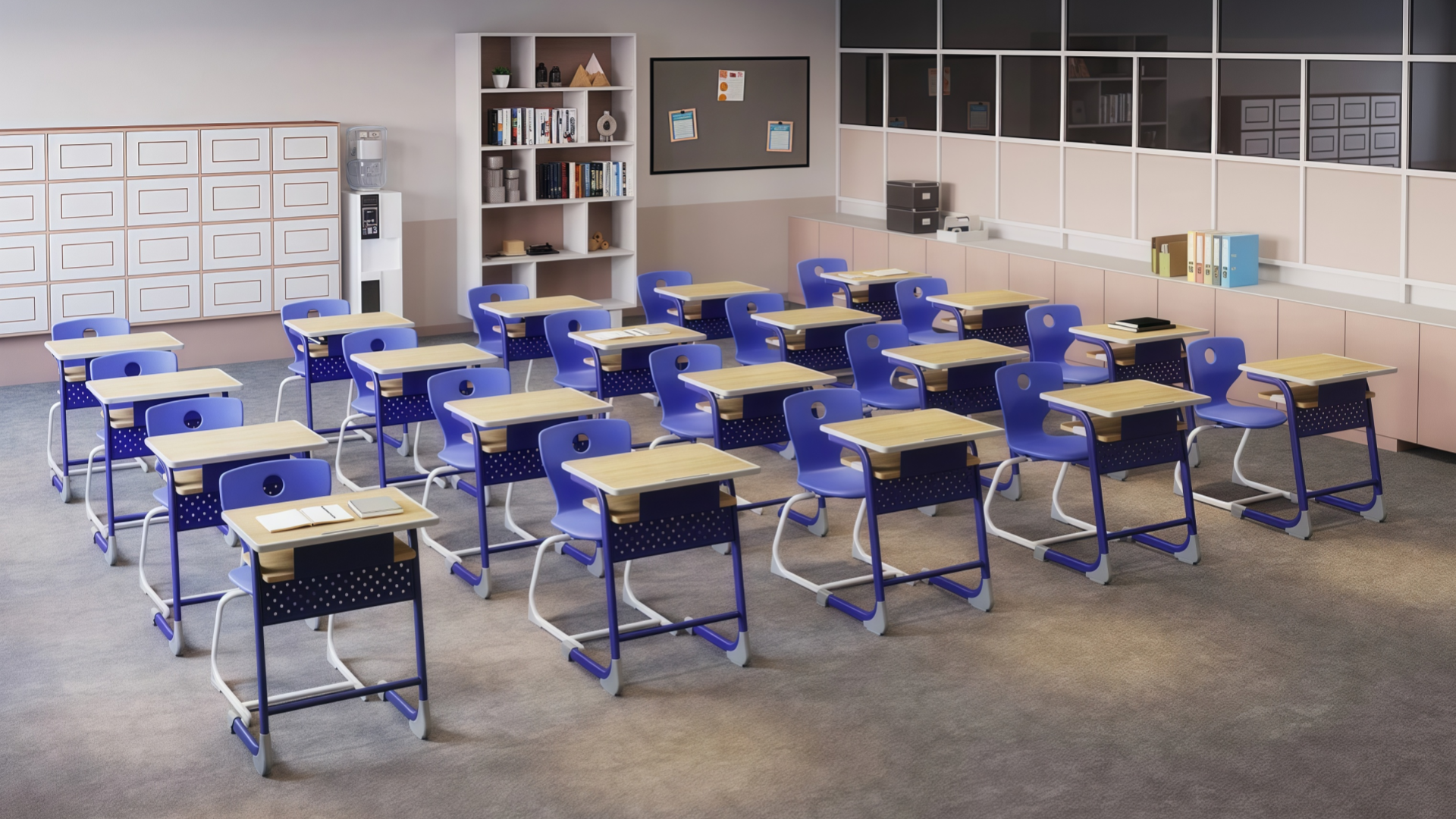
Small group tables encourage peer-to-peer learning. They facilitate discussions and group work. This setup fosters communication skills and teamwork. The design of classroom tables impacts the classroom atmosphere. It influences student behavior and engagement. A well-designed space can motivate students to learn. Investing in quality tables is a smart choice. They are durable and adaptable, making them cost-effective in the long run. Schools can benefit from this investment. In this article, we will explore the benefits of classroom style tables. We will discuss their versatility, adaptability, and impact on learning.
Classroom style tables are essential elements in educational spaces. They are carefully designed to meet the needs of students and teachers. These tables come in various forms to suit diverse classroom activities.
A primary feature of these tables is their adaptability. They can be reconfigured to accommodate different teaching methods and student groupings. This flexibility supports a dynamic and interactive learning environment.
Classroom tables have evolved over time. Traditional desks have given way to more versatile and ergonomic designs. These modern tables focus on promoting engagement and collaboration.
Adaptable for various teaching styles
Ergonomically designed for comfort
Constructed from durable materials
Available in multiple shapes and sizes


Charterhouse Lagos | Education Project by Hongye Furniture
Materials used in classroom tables vary. Wood, metal, and laminate are popular choices due to their durability. Each material offers different benefits in terms of maintenance and aesthetics.
In today's schools, tables are more than just furniture. They are tools that enhance the learning process. By supporting different learning styles and activities, they create an environment conducive to student success. As we dive deeper, we'll uncover more about the importance and benefits of these versatile tables.
Classroom tables come in a variety of shapes and sizes. Each design serves a unique function in the learning environment. Understanding these variations helps in optimizing classroom layouts.
Rectangular tables are a common choice. They are ideal for individual work or lining up in rows for larger group activities. Their traditional form is simple and effective for direct instruction.
Circular tables, on the other hand, promote group interaction. They are perfect for discussions and collaborative work. Students face each other, fostering communication and engagement.
Rectangular
Circular
Semi-circular
Trapezoidal
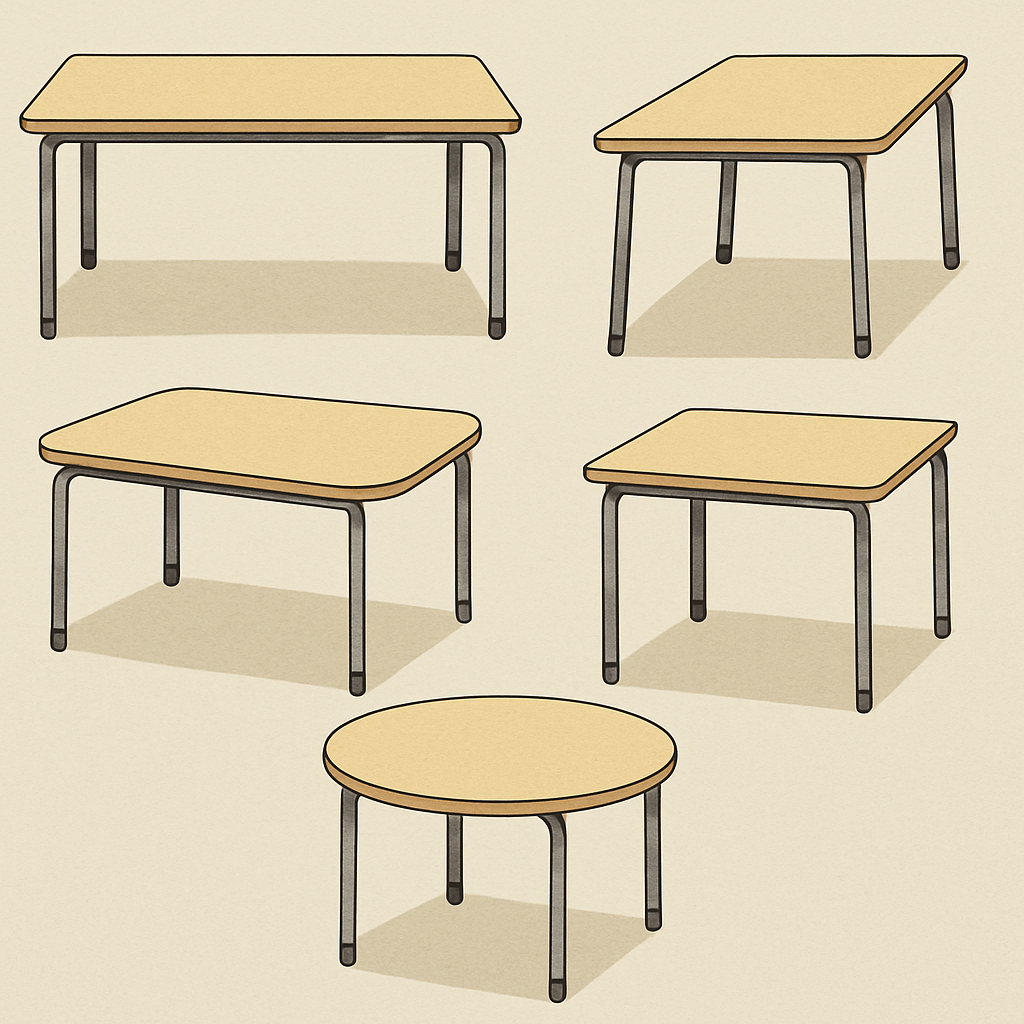
Trapezoidal tables add flexibility to classroom design. They allow for multiple configurations. Teachers can arrange them in clusters or rows to suit different activities.
Appropriate table height for age group
Sufficient surface area for materials
Space-efficient design for small classrooms
Adjustable tables are gaining popularity. These tables can change height, accommodating students of all ages. This feature ensures comfort and proper posture during learning.
In specialized classrooms, function-specific tables are essential. Science labs use tables with resistant surfaces. Art rooms benefit from tables with ample work areas and storage. Choosing the right table promotes effective teaching and learning.
Overall, the design and function of classroom tables have a significant impact. They can enhance or hinder the learning experience. By selecting the right tables, educators can foster a supportive and engaging atmosphere.
Adjustable classroom tables are transforming educational spaces. Their versatility supports diverse learning styles and needs. As education evolves, these tables play a crucial role.
One key advantage is their adaptability. Teachers can modify the height to fit different activities. This feature is especially beneficial in multi-age classrooms.
These tables also promote inclusivity. Students of varying sizes can work comfortably. This flexibility ensures everyone feels valued and accommodated.
Foster an inclusive learning environment
Support various teaching styles
Enhance comfort and ergonomics
In collaborative settings, these tables shine. They can easily be reconfigured for group work. This adaptability encourages teamwork and interaction among students.
The ergonomic design of adjustable tables is also important. Proper table height reduces physical strain. This leads to improved focus and productivity among students.
The use of adjustable tables reflects a commitment to modern education. They emphasize the importance of a flexible and responsive classroom environment. By embracing this furniture, schools invest in the future of learning.
Overall, adjustable classroom tables align with educational goals. They support flexibility, inclusivity, and collaboration. This makes them an essential component of contemporary classrooms.
Ergonomics in classroom design significantly impacts student well-being. Comfortable furniture reduces physical strain. This allows students to focus on learning rather than discomfort.
Adjustable heights for proper posture
Rounded edges for safety
Design that minimizes strain
School furniture tables designed with ergonomics in mind promote better posture. Good posture helps increase attention and energy levels. This leads to more effective learning experiences.
The comfort provided by ergonomic furniture affects engagement. When students are comfortable, they participate more actively. This boosts communication and classroom dynamics.
Ergonomically designed tables can be tailored to meet specific needs. Adjustable features cater to students of different ages and sizes. This personalization ensures that each learner has a supportive environment.
Investing in ergonomic tables benefits everyone in the classroom. Teachers and students alike enjoy improved interaction and productivity. Ultimately, these tables contribute to a healthier learning atmosphere.
Small group tables redefine the learning experience. They foster collaboration and active communication among students. These tables create spaces that invite interaction naturally.
Encourage peer-to-peer discussions
Support collaborative projects
Facilitate dynamic learning environments


Classroom Furniture Student Study Areas Learning Table Furniture Layout
These tables are instrumental in promoting teamwork. Students can comfortably share ideas, fostering creativity. The setup encourages diverse viewpoints, enriching the learning process.
Flexibility is another advantage of small group tables. They can be arranged for different activities or lessons. This adaptability caters to varying teaching styles and subjects.
Lightweight and easy to move
Durable to withstand frequent rearrangement
Modular designs for varied configurations
Small group tables help develop communication skills. Students learn to listen and express thoughts clearly. These skills are essential for both academic success and future careers.
In this collaborative setting, teachers can play a supporting role. They guide discussions and stimulate critical thinking. This approach shifts focus from lecture-based teaching to student-centered learning.
Ultimately, small group tables contribute to an inclusive atmosphere. They ensure every student has a voice and feels valued. By nurturing cooperation, these tables build the foundation for lifelong learning skills.
Flexible classroom design is revolutionizing education. This design concept champions adaptability. It's key to meeting diverse learning needs effectively. By allowing quick reconfiguration, flexible designs support myriad teaching styles.
One core element is adjustable furniture. Features like height control and mobility transform learning spaces. With these elements, educators can modify settings swiftly, enhancing lesson impact.
Adjustable tables for customized student comfort
Movable furniture for varied setups
Versatile use spaces for different activities
Flexible designs cater to individual learning preferences. Students benefit from settings that align with their learning style. This personalization boosts engagement and comprehension.
Moreover, dynamic environments foster collaboration. Students engage more readily in group work. They adapt seamlessly to tasks that require teamwork and communication.
Finally, adapting to diverse needs includes technology integration. Tables with built-in tech support digital learning. Such resources ensure students are prepared for a tech-driven world.
In conclusion, flexible classroom design is invaluable. It supports diverse educational needs, promoting inclusive, engaging, and effective learning environments.
Classroom style tables can significantly boost student engagement. The right tables encourage active participation. When students feel included, their motivation increases. The arrangement of tables plays a key role. Circular or cluster formations facilitate eye contact. This setup naturally fosters discussion and engagement.
Enhanced visibility in group settings
Comfortable seating encourages longer focus
Easy reconfiguration for diverse activities
Comfort is another crucial factor. Ergonomic tables reduce physical strain. As a result, students can concentrate better on their work.
Innovative table designs often integrate technology. Built-in tech helps bridge traditional learning with modern needs. Students benefit academically when tech is seamlessly accessible.
Finally, adaptable tables support varied learning styles. Whether students learn best through discussion or hands-on activities, the right setup can make a difference. By accommodating these needs, educators can enhance both engagement and performance.
In essence, classroom style tables, when thoughtfully chosen and arranged, not only improve engagement but also drive academic success. They create an environment where students are eager to learn and participate.
Safety is a top priority in any learning environment. Classroom style tables should feature rounded edges. This design choice helps prevent injuries during active movement.
Durability is essential for school furniture tables. Tables need to withstand daily use by energetic students. Choosing robust materials ensures they last longer and provide consistent utility.
Easy maintenance should not be overlooked. Tables that are simple to clean contribute to a healthier classroom. This is important in minimizing germs and maintaining a tidy space.
Rounded edges for injury prevention
Sturdy construction for longevity
Non-toxic materials for a healthy environment
Furthermore, selecting tables with non-toxic finishes can protect students' health. Safe materials are crucial in preventing exposure to harmful chemicals.
Thus, investing in safe, durable, and easy-to-maintain classroom tables is a wise choice. These elements ensure the tables remain a positive part of the learning environment, supporting both safety and sustainability goals.
Modern classrooms often require technology integration. Classroom style tables can support this by incorporating built-in charging stations. This feature helps keep devices powered throughout the school day.
Storage solutions can also be a valuable addition. Tables with drawers or shelves offer space for storing school supplies. This keeps the learning environment organized and clutter-free.
A well-organized classroom enhances efficiency. Students can quickly access materials, reducing distractions. This setup encourages a focus on learning and collaboration.
Built-in charging for convenience
Storage for organization
Reduced clutter for focus
Additionally, integrating these features can prepare students for tech-driven futures. Encouraging the use of technology in daily learning supports their digital literacy.
Therefore, classroom tables that include technology and storage solutions make an excellent choice. They adapt to modern educational needs and support an effective, organized learning environment. Integrating these elements can significantly enhance both student experiences and teacher effectiveness.
Choosing sustainable school furniture tables benefits the environment. Using eco-friendly materials helps reduce the carbon footprint of the educational space. Sustainable tables are often made from recycled or renewable resources. By selecting eco-friendly options, schools demonstrate environmental responsibility. These tables not only support green initiatives but also educate students on sustainability. This encourages a culture of environmental awareness from a young age.
Recycled or renewable materials
Non-toxic finishes and adhesives
Locally sourced materials
Durability is another significant advantage of sustainable tables. They are designed to last longer, reducing the need for frequent replacements. Over time, this can be cost-effective for schools while promoting a healthier planet. As a result, integrating eco-friendly school furniture tables aligns with values of sustainability and responsibility, fostering a more conscious learning community.
Customizable classroom tables allow schools to design unique learning environments. This flexibility can cater to various educational styles and needs. Customization can include different colors, shapes, and sizes.
Aesthetically pleasing tables contribute to a more inviting classroom. Bright and engaging designs can inspire creativity and interest among students. Additionally, a well-designed space can enhance student motivation and focus.
Variety of colors
Diverse table shapes
Different size options
Incorporating aesthetic elements into classroom furniture can reflect a school’s educational philosophy. This approach can create a sense of identity within the learning environment. In turn, students may feel more connected and comfortable in their surroundings. Thus, investing in customized and visually appealing furniture can significantly impact the educational experience.
Many people have inquiries when selecting classroom style tables. Understanding the basics can help you make informed decisions. Below are some frequently asked questions.
What materials are best for durability? Tables made from metal and high-density laminate are sturdy options.
Are adjustable tables necessary? They aren't required but offer flexibility for various activities.
How can I integrate technology with tables? Choose designs with built-in charging ports and cable management.
Addressing these concerns assists schools and educators in optimizing their learning environments. Thoughtfully answering such questions can lead to enhanced educational spaces.
Classroom style tables play a pivotal role in shaping effective learning environments. Their design impacts not only aesthetics but also functionality and student engagement. With options like adjustable tables and small group arrangements, classrooms become dynamic spaces that cater to diverse needs.
Investing in quality school furniture tables is more than just a purchase; it's a commitment to enhancing educational outcomes. These tables support various teaching methods, from collaborative projects to individual study, facilitating a versatile learning space. Their durability and adaptability ensure long-term value, making them a wise choice for schools aiming to improve student experiences.
As education evolves, so does the need for furniture that accommodates modern learning requirements. By selecting the right classroom style tables, educators and administrators can foster an environment conducive to growth and innovation. Ultimately, such investments pave the way for future-ready learning settings that inspire and engage.


 English


